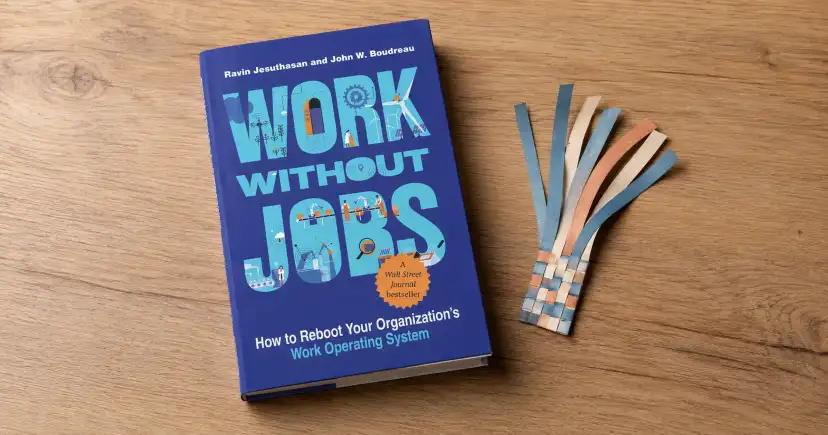
Work without Jobs and the missing link between skills and work
Work without Jobs proposes looking beyond the job as a whole and brings into view a layer that skill architectures often overlook: the work that needs to be organized.
Articles about talent decisions, succession, and readiness for critical roles.
20 articles
Work without Jobs proposes looking beyond the job as a whole and brings into view a layer that skill architectures often overlook: the work that needs to be organized.

Before recommending training in response to a gap, compare four possible sources: individual proficiency, team coverage, interfaces, and the operating model.

Even without a change in hierarchy, lateral mobility can develop judgment by changing the problems, relationships, and decisions a person faces.

Staffing decisions require knowing how many people there will be. Capability planning also requires understanding what work they can sustain, under which constraints, and with what coverage.
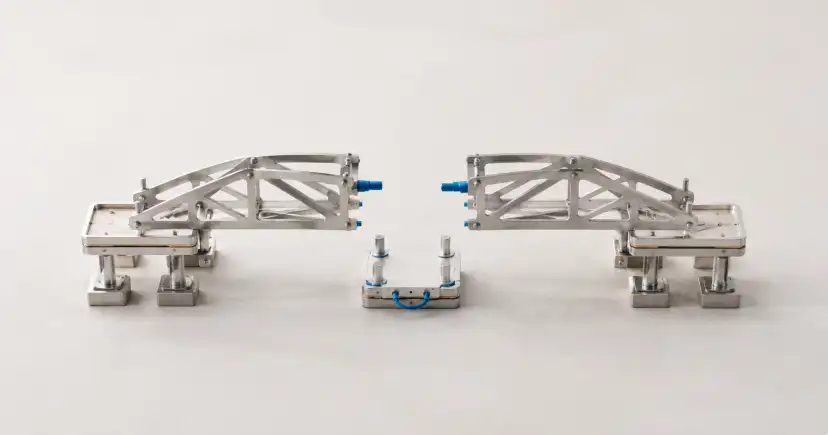
How do two teams with the same average skill level end up responding in completely different ways to a critical incident?

A list of possible replacements can create a sense of control while leaving intact the dependency that threatens the organization. Succession becomes a capability when the organization builds coverage, alternatives, and learning before a vacancy arises.
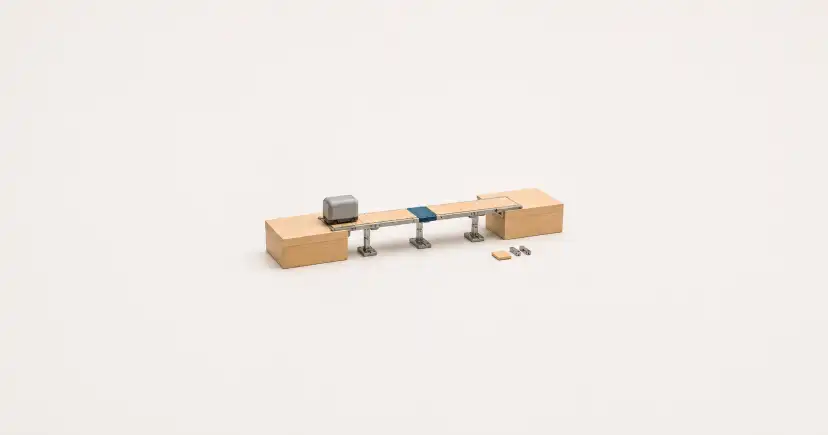
Being ready now does not mean being the best person on a list or eliminating every risk. It means that enough evidence exists to support a specific transition under known conditions.

Current performance, potential, and readiness answer different questions. Keeping them separate prevents strong performance today from becoming a promise about the future, or a possibility for growth from becoming a premature promotion.