
Succession as an organizational capability, not a secret list
A list of possible replacements can create a sense of control while leaving intact the dependency that threatens the organization. Succession becomes a capability when the organization builds coverage, alternatives, and learning before a vacancy arises.
The list answers a narrow question: who could fill the position? Succession as a capability answers a more demanding one: how will the organization sustain a critical function if a person, the role, or even the strategy changes? Much of what goes wrong lies in the difference between those questions.
A name reassures; coverage reveals
When a committee assigns a name to every critical position, the map looks complete. But that person may be available only in the distant future, share the incumbent’s gaps, depend on an experience that was never scheduled, or have no interest in that destination. They may also have been chosen for visibility and reputation rather than evidence.
Coverage requires examining the system. It includes the role’s true importance, how long the organization can operate without it, which capabilities cannot be interrupted, how close possible successors are, and which alternative pathways could keep the work going. The CIPD notes that succession planning may focus on individual positions or on groups of roles that share skills, and that it often includes practical experiences relevant to future roles (CIPD, 2025 (opens in a new tab)). The unit of analysis, then, need not always be one seat with one heir.
A position with no immediate candidate is not necessarily the greatest vulnerability if an external hire can be made quickly, documentation is sufficient, and knowledge is reasonably distributed. By contrast, a position with a named successor may remain exposed if the incumbent and successor both concentrate the same relationships, permissions, and tacit knowledge.
The list preserves a snapshot
Secret lists tend to age poorly because they capture an opinion at a single point in time. The business changes its priorities, some people develop, others revise their expectations, and roles accumulate new demands. If the process consists only of updating names once a year, the organization is managing a snapshot while the system continues to move.
A succession capability keeps several conversations connected:
- what future results should be sustained;
- what roles and capabilities are critical to achieving them;
- what coverage exists across different time horizons;
- which experiences would increase that coverage;
- which signals should prompt a review of the map.
The GAO workforce planning guide proposes a similar sequence: identify the skills and critical competencies needed for future results, design strategies to address gaps in quantity and deployment, build the capability to execute, and monitor the contribution to results (GAO, 2003 (opens in a new tab)). Its value for succession lies in connecting talent availability with strategic continuity, not in providing a replacement matrix.
Secrecy has operational costs
There are legitimate reasons to protect personal information and sensitive deliberations. Confidentiality, however, does not require complete opacity. When no one knows which capabilities are required, how readiness is determined, or which experiences open a pathway, development becomes subordinate to private conversations. People receive opportunities without understanding why; managers hold talent within their own areas; the organization discovers too late that several pathways depended on the same people.
A more transparent model makes critical roles, expectations, readiness criteria, ways to access relevant experiences, and the opportunity to challenge a conclusion visible. Names and assessments can remain restricted without concealing the rules of the system.
This balance also limits the identity-forming effect of categories. Being considered a successor stops functioning as a promise and instead describes a provisional relationship among evidence, role, and time horizon.
From replacing people to reducing dependencies
Succession planning matures when it creates options before they are needed. Sometimes the answer will be to develop one person. In other cases, it may be to distribute knowledge, redesign the role, create a lateral pathway, bring in an external capability, or make a dependency less critical. The organizational chart does not predetermine the decision.
This makes succession planning less ceremonial and more demanding. It requires the organization to distinguish potential from readiness, record relevant evidence, review time horizons, and acknowledge that some coverage is fragile. It also prevents the false optimism of naming two successors when both need the same experience the organization does not know how to provide.

A list can be part of the process, but it should not be confused with the outcome. The outcome is the capability to sustain critical work, broaden the pathways through which people can prepare, and respond without improvisation when conditions change. If everything depends on one name remaining available, succession has not yet taken place.
Keep exploring
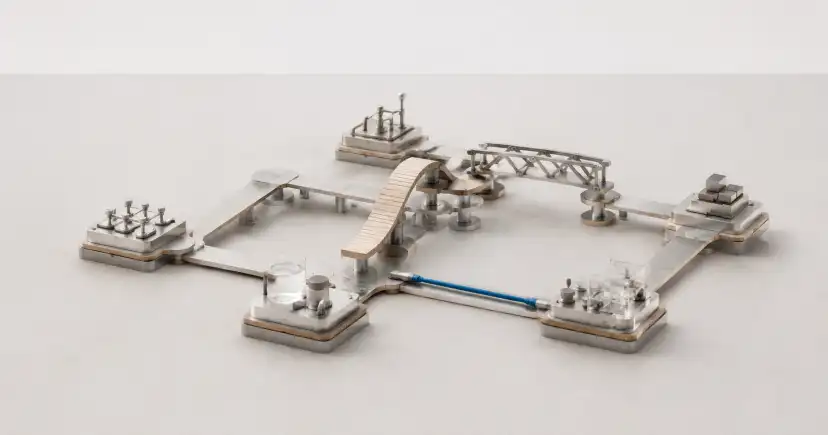
A career is not a ladder: how to represent real mobility paths
How can a career be represented when progress may come through specialization, projects, lateral moves, cross-functional leadership, and returns?
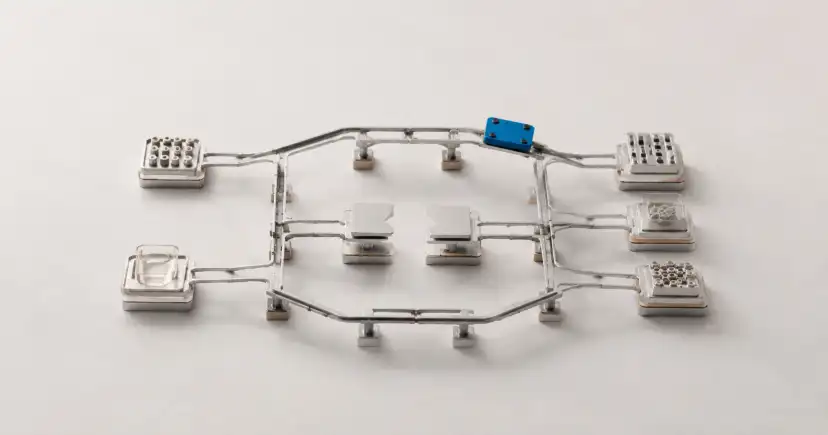
Succession without a bench: how to measure depth and coverage
A matrix showing two successors for every position can still hide severe dependency; coverage, depth, and time reveal how resilient the network really is.
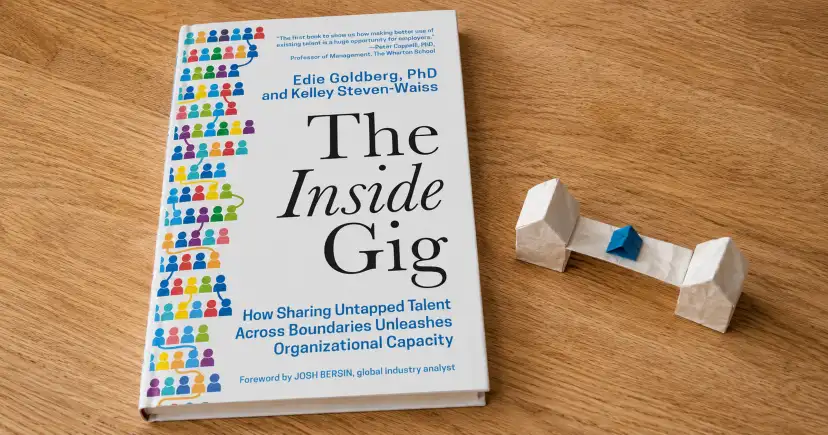
The Inside Gig: when mobility no longer depends on job openings
The Inside Gig proposes mobilizing talent through internal projects rather than waiting for a job opening, prompting an examination of what turns an opportunity into real work.

Why leaders hold on to talent the organization needs to move
Why would a leader hold on to someone who could contribute more in another unit?
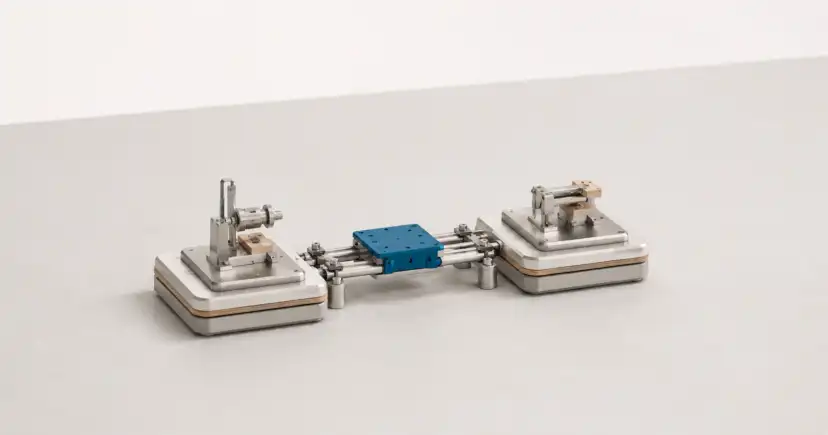
Lateral mobility can be development without being a promotion
Even without a change in hierarchy, lateral mobility can develop judgment by changing the problems, relationships, and decisions a person faces.

What it means to be ready now for a critical role
Being ready now does not mean being the best person on a list or eliminating every risk. It means that enough evidence exists to support a specific transition under known conditions.