
What the organization learns not to say
Asking for solutions before hearing a problem can leave valuable information out. Detecting an anomaly, investigating it, and resolving it require different capabilities and authority.
PRYSMAP brings together perspectives on organizational intelligence, measurement, and human systems.
99 articles
Asking for solutions before hearing a problem can leave valuable information out. Detecting an anomaly, investigating it, and resolving it require different capabilities and authority.
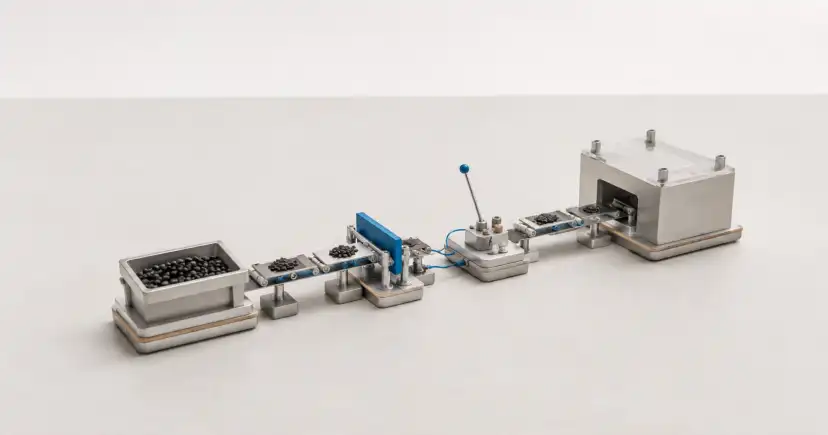
Even when an automated process includes a confirmation button, meaningful human review exists only when risks are defined and reviewers have real authority to change the outcome.
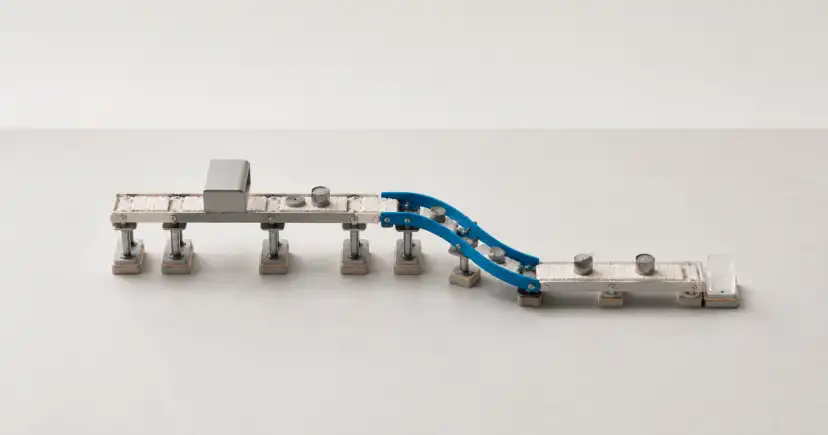
To choose between developing a skill and redesigning the work, first locate the demand. It may lie with the person, an avoidable task, an interface, or variability in the system.

An uncomfortable finding about obsolescence is that a person can remain competent while the work loses the demand, context, or value that made their contribution useful.
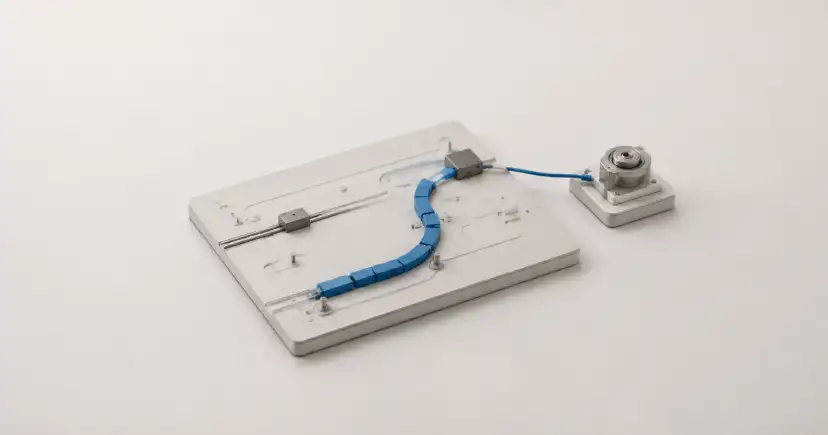
Imagine an architecture whose titles remain stable even as exceptions, decisions, and tasks have shifted: the work changed before its catalog did.
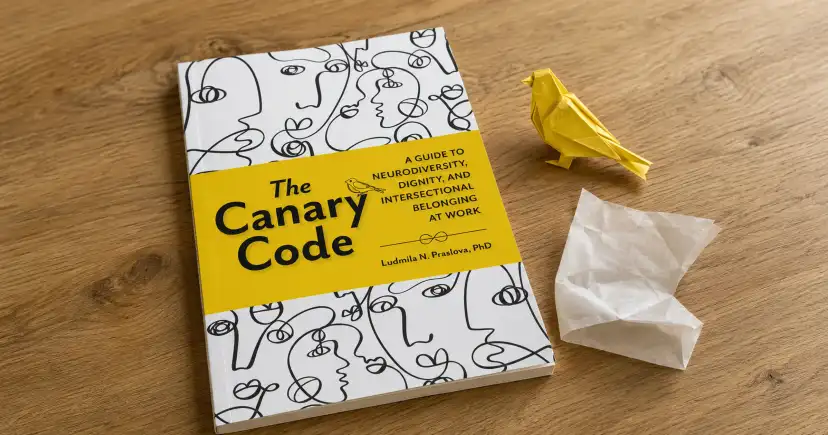
Ludmila N. Praslova’s The Canary Code uses neurodivergent experience as a signal about work systems. Its metaphor changes where diagnosis begins.
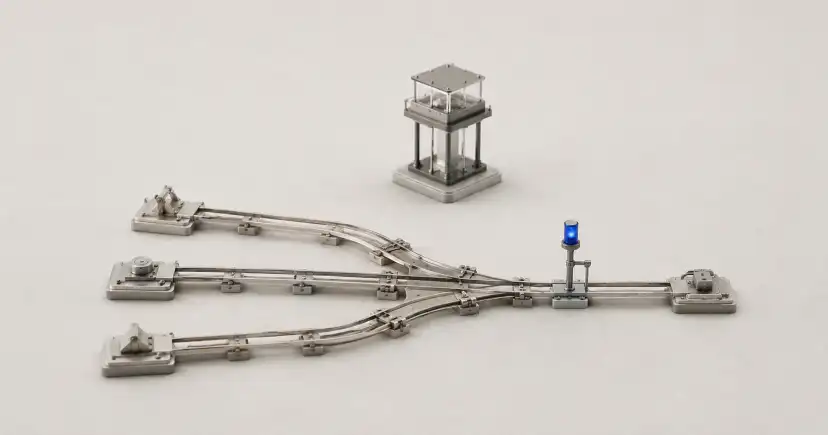
Some people change decisions, raise standards, and expand others' capability without managing a team. The architecture needs to represent that contribution without inventing informal authority.
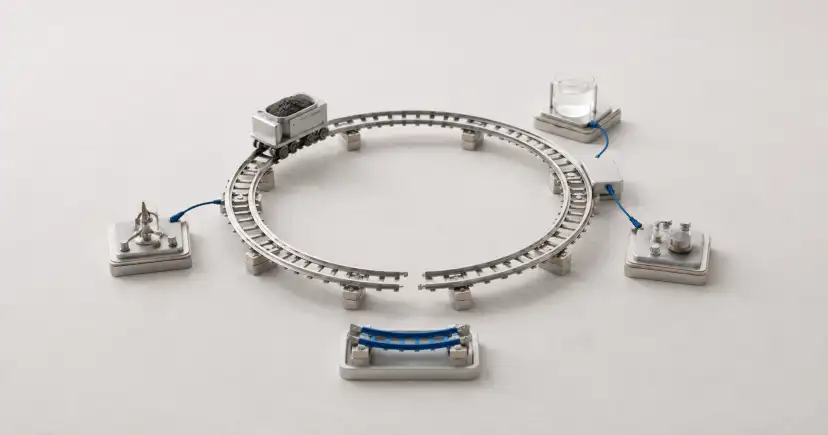
Maintaining an architecture starts with distinguishing a signal worth recording, a small change with a clear owner, and a structural decision that deserves deliberate review.
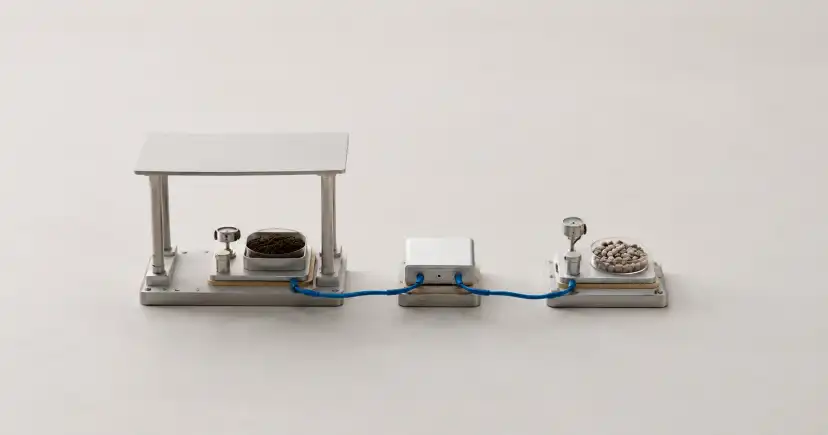
An uncomfortable finding in assessment is that a common scale does not produce fairness when people lack comparable opportunities to generate and present evidence.

Does the organization need breadth, depth, or integration? Generalist, specialist, and hybrid are possible answers, not identities the architecture should fix permanently.
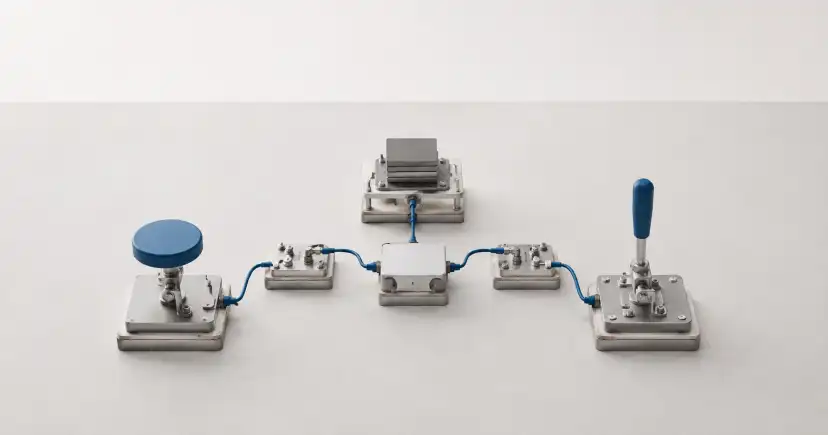
Two people may demonstrate a capability in different ways while still meeting the same core demand. Fair adaptation requires separating the construct from barriers created by the format.
Who needs to see a piece of talent data, in how much detail, and for how long? The answer begins with the authorized task, not hierarchical rank.