PRYSMAP

PRYSMAP brings together perspectives on organizational intelligence, measurement, and human systems.

93 articles

Latest articles

  1. A compact industrial line with two stations and a row of small metal parts.

    How to differentiate roles that share the same skills

    PRYSMAP

    When two roles share the same skills, the meaningful distinction does not come from changing the catalog. It comes from specifying the level of contribution the organization expects from each role.

  2. Five different object prototypes arranged in a circle and connected to a common center by blue lines.

    Assessing a skill is not asking whether someone has it

    PRYSMAP

    A skill is a useful construct for organizing capabilities, but it never appears as a complete object to the person assessing it. What we see are partial manifestations in specific tasks, decisions, and contexts.

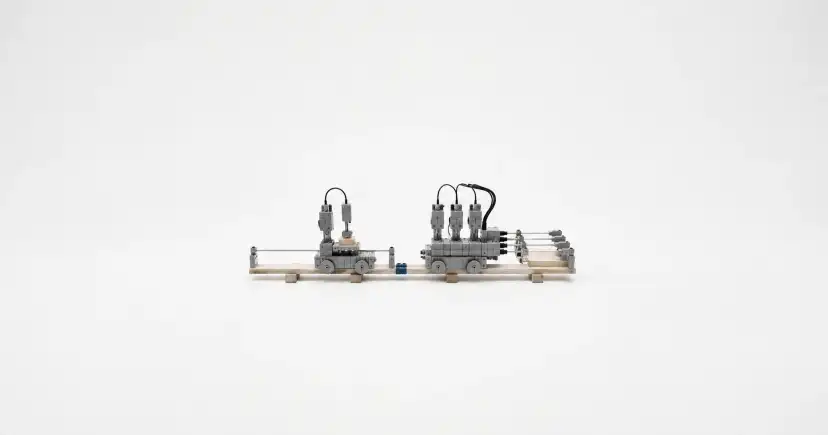
  3. Mechanical modules line a base, with a glowing blue line running through them.

    The five conditions of a sound skills assessment

    PRYSMAP

    A skills assessment is sound when it can support both the interpretation of its results and the decisions made from them. Five conditions must work as a chain: object, evidence, levels, sources, and rules.

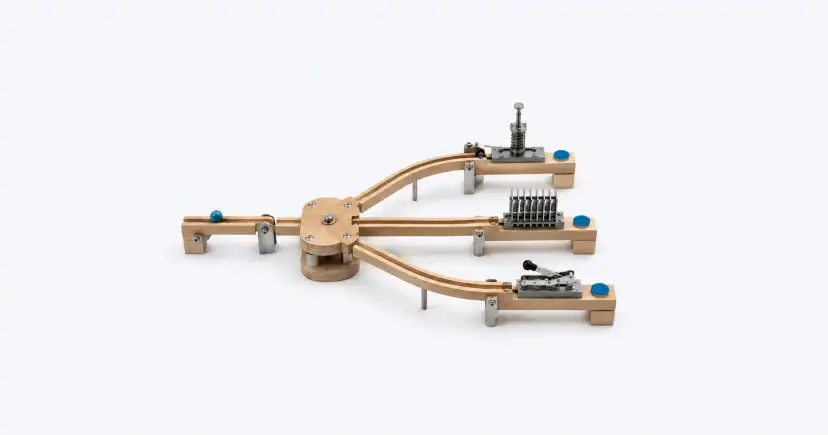
  4. A wooden device with three branches extending from a circular mechanism to separate modules.

    Turning a gap into a development plan

    PRYSMAP

    A gap describes the distance between performance and an expectation. Turning it into development requires interpreting its origin, setting its priority, addressing the likely cause, and then checking what changed in the work itself.

  5. A modular pipe network assembled on a tray, with parts sorted by type.

    A list of skills is not an architecture

    PRYSMAP

    A catalog identifies which skills exist and how to find them. An architecture adds the relationships needed to interpret expectations, assess evidence, guide development, and identify paths between roles.

  6. A laboratory control panel with gauges, controls, levers, and blue cables.

    When measuring more does not mean deciding better

    PRYSMAP

    More measurement can broaden understanding while making a decision harder. The difference depends on whether each signal has an explicit function, a defined audience, and a recognizable use.