PRYSMAP

PRYSMAP brings together perspectives on organizational intelligence, measurement, and human systems.

93 articles

Latest articles

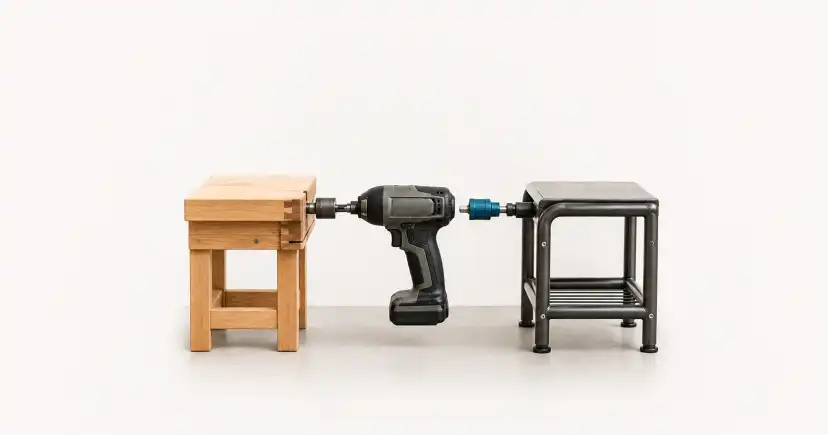
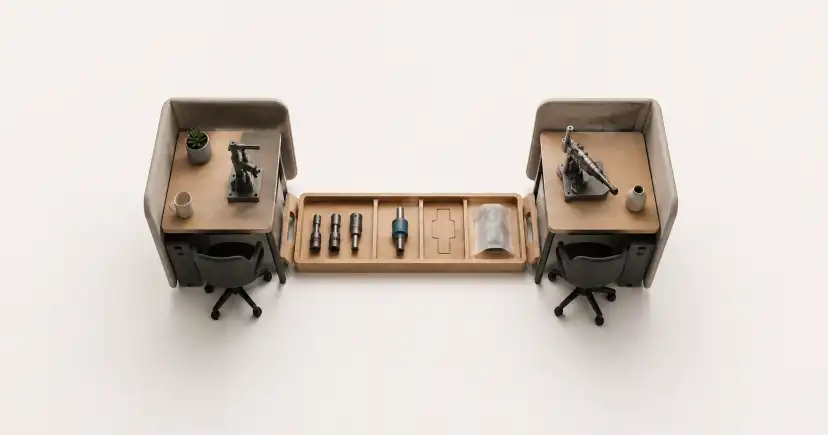
  1. Two facing workstations connected by a tray holding five mechanical parts.

    How to estimate the distance between two roles

    PRYSMAP

    A person may seem close to a role because many of their skills overlap, yet still face a difficult transition because of differences in level, context, autonomy, or experience. A job title may also make someone appear farther away than they are, obscuring a broader base of transferable skills than the organization recognizes.
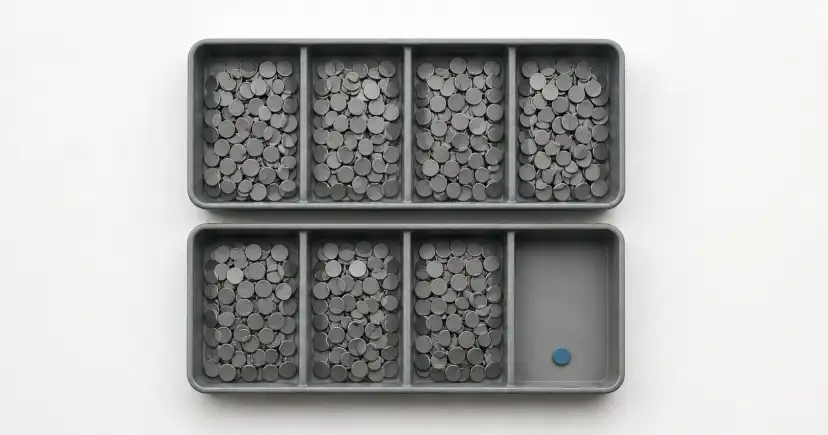

  2. Two compartment trays filled with gray discs, except for one section holding a single blue disc.

    The average can hide the most important gap

    PRYSMAP

    An average can accurately represent the center of several results while concealing the difference that matters most to the decision. Its usefulness depends on which components it combines and which of them may compensate for one another.

  3. Precision assembly fixture in front of three trays holding gears, bearings, and other metal parts.

    How to prioritize gaps without creating an endless list

    PRYSMAP

    An assessment can identify ten gaps without producing a single priority. When every gap becomes an action, the development plan stops providing direction: it spreads attention, combines different degrees of urgency, and makes progress nearly impossible to recognize.

  4. A forked wooden path leading to a circular gear mechanism and a multilevel post structure.

    Leveling and growth are not the same conversation

    PRYSMAP

    Closing a gap in a person's current role and preparing for the next level may involve similar actions, but they answer to different commitments. Combining them changes both the priority and the meaning of the assessment.

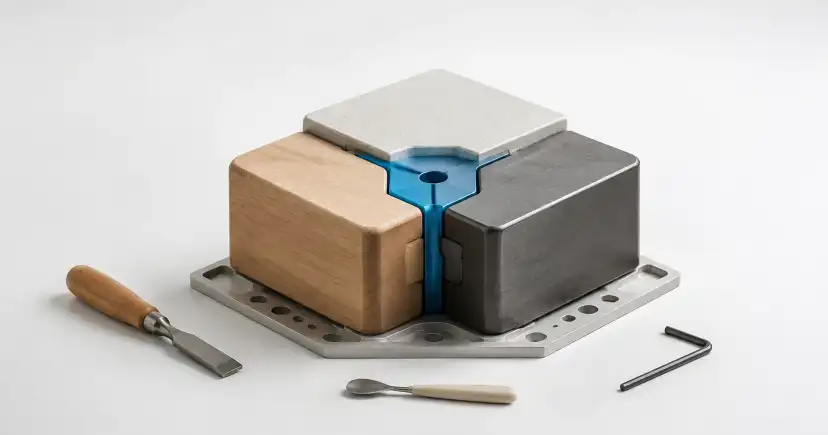
  5. Wood, white ceramic, and metal blocks joined around a blue piece, with tools at the sides.

    Who should own a skills architecture

    PRYSMAP

    Who can change a skill, approve a level, or decide that the evidence is sufficient to use a result? These three decisions require different authorities.

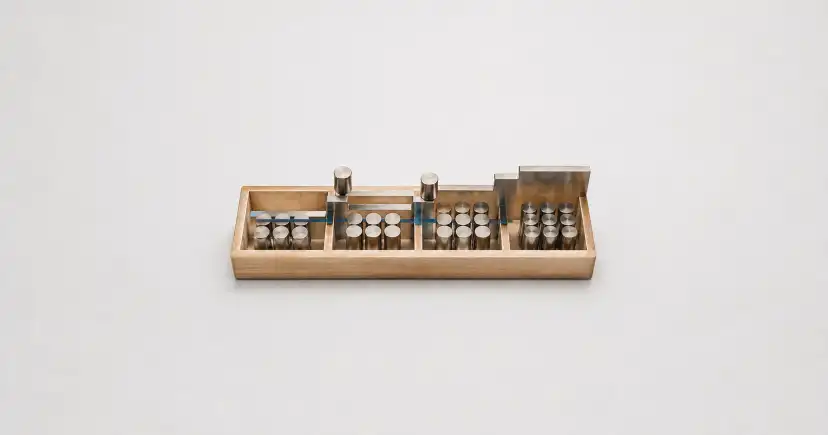
  6. A divided wooden tray holding cylinders and metal pieces of different sizes.

    How to design a scale that reduces differences in interpretation

    PRYSMAP

    A scale reduces differences in interpretation when it requires assessors to recognize the same evidence—not when it replaces vague words with more elegant labels. Designing one means defining what will be observed, making the boundaries between levels explicit, and testing those boundaries with cases that reveal where disagreement begins.

  7. A two-person workbench with lamps, chairs, and several organized wooden pieces.

    How to discuss a gap without demotivating

    PRYSMAP

    A conversation about a gap does not require softening the evidence until it becomes unrecognizable. It requires separating the expectation, the observation, and the interpretation so that the person can understand and participate.

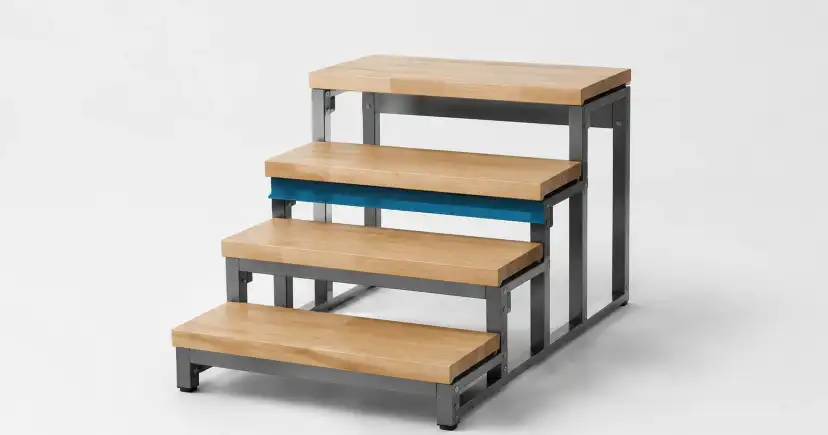
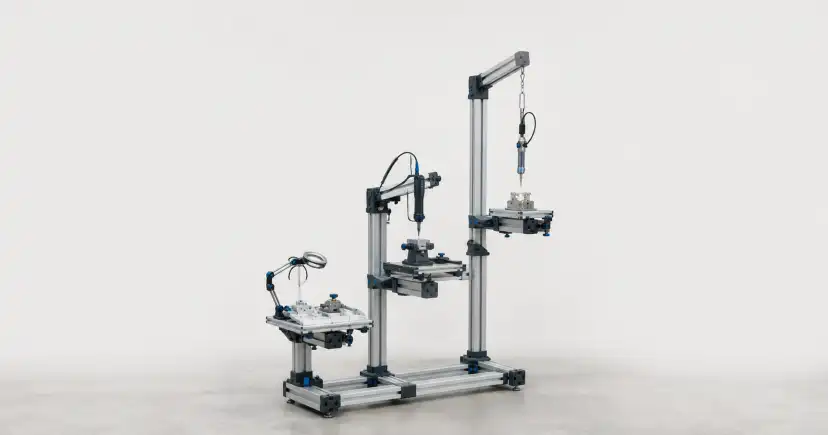
  8. Three mechanical workstations mounted at different heights on a shared structure.

    A catalog by role or a shared architecture — which model scales better

    PRYSMAP

    Creating a separate skills catalog for every role offers immediate precision: each position receives a tailored list. The cost comes later, when the same capabilities are duplicated under different names, levels, and criteria, and every change requires dozens of versions to be maintained.

  9. An open wooden box surrounded in a semicircle by hammers, pliers, screwdrivers, wrenches, and a utility knife.

    Seven questions before recommending a course

    PRYSMAP

    Identifying a gap does not justify prescribing training. First, we need to understand what is preventing performance and what kind of intervention might change it.