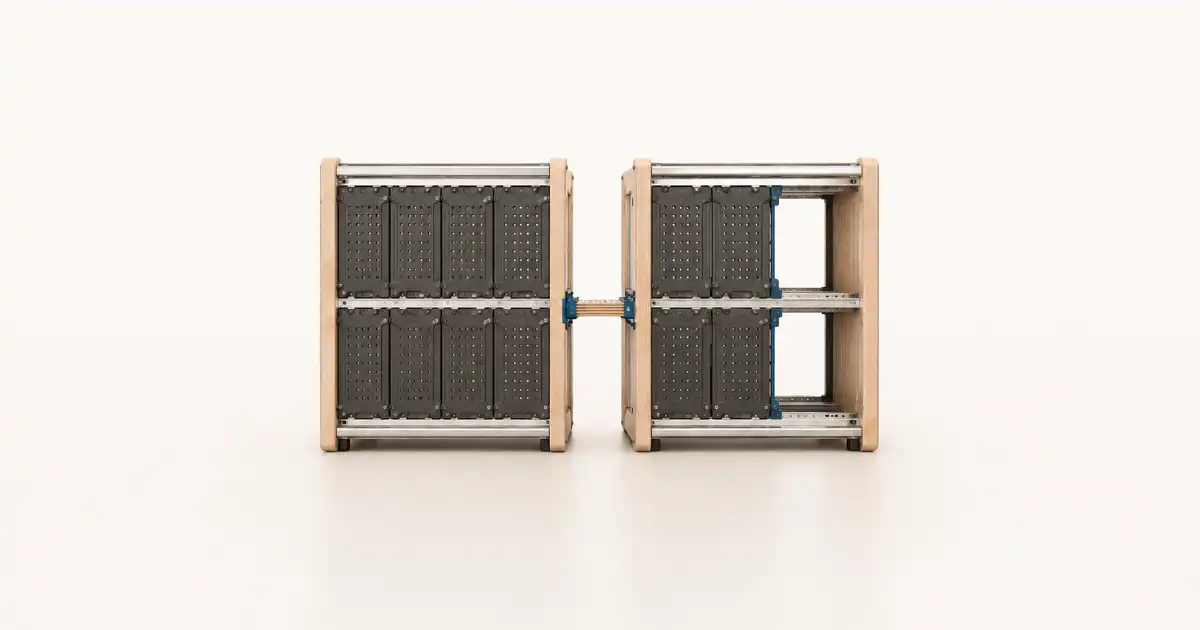
Internal mobility — changing roles without starting from scratch
Changing roles does not erase capabilities that have already been demonstrated. Nor does it make them automatically transferable. A realistic transition distinguishes what can be reused, what requires adaptation, what is missing, and what has yet to be observed.
Traditional models tend to compare job titles, years of experience, and formal requirements. A skills-centered approach changes the unit of comparison. That shift opens up more possible pathways, but it also creates a risk: treating any match in name alone as sufficient readiness.
Matching is only the first layer
The OECD describes skills-first approaches as practices that prioritize demonstrated capabilities over credentials in recruitment, training, and career progression. Its analysis identifies opportunities to broaden talent pools and improve fit, alongside risks that include new forms of bias, obsolescence, reduced worker protection, and weakened standards. OECD, Empowering the Workforce in the Context of a Skills-First Approach (opens in a new tab)
That warning keeps skills-based mobility from becoming an automatic mechanism. The fact that two roles both include “stakeholder management” does not reveal who those stakeholders are, which conflicts arise, how much authority the person holds, or what consequences follow from a decision.
Some capabilities transfer; others change in the process
ESCO defines transversal skills as learned and demonstrated capabilities that are valuable across multiple jobs, learning experiences, or activities. It also recognizes degrees of reuse, ranging from transversal capabilities to those tied to particular sectors or occupations. European Commission, report on transversal skills (opens in a new tab)
This definition helps avoid two extremes. The first assumes that every role requires starting from scratch. The second declares every broadly defined skill universal.
A directly reusable capability retains a sufficiently similar focus, required level, and conditions of application. An adaptable capability builds on a demonstrated foundation but changes in complexity, tools, stakeholders, autonomy, or context. A new skill has no equivalent foundation. And a capability without sufficient evidence should not yet be classified as either a strength or a gap.
These four categories change the conversation.
Within a track, the transition builds on a shared foundation
When roles belong to the same track and share exactly the same set of skills, mobility does not require a new catalog. The difference lies in the expectation.
A later role may require greater autonomy, depth, complexity, scope, leadership, or impact. The question is no longer whether the person has the skill, but whether they have demonstrated it under the conditions of the next level.
This architecture preserves the evidence already accumulated. A capability demonstrated through bounded tasks remains valuable. What is still unproven may be its application in ambiguous situations, while coordinating others, or when supporting decisions with greater consequences.
Between tracks, context matters more
Distance increases when the job family changes. Some capabilities carry over with little adaptation. Others keep the same name while changing in function.
Communication in operations, design, or sales may draw on a common foundation. Yet the audience, purpose, cycles, constraints, and consequences differ. Evidence from the source role supports part of the hypothesis. The target role requires new opportunities to test the capability in practice.
Occupational information systems show that this kind of comparison is possible. The O*NET Career Changers Matrix links occupations that use similar skills and experience, indicating that some transitions require only limited additional preparation. O*NET Resource Center, Career Changers Matrix (opens in a new tab)
The resource was designed for the US labor market, not for deciding moves within a company. Its contribution is methodological: proximity is estimated through relationships among work, capabilities, and preparation, not through job titles alone.
The entry pathway should produce new evidence
A well-designed transition does not attempt to resolve every uncertainty before the move. Some questions can be answered only within the new context.
That creates room for gradual assignments, defined projects, expert support, increasing authority, and frequent reviews. The entry pathway serves two purposes: it limits exposure and makes it possible to observe the transfer. Each action should correspond to an open question. If the technical foundation is present but evidence of cross-functional coordination is missing, the experience should create that condition. If the skill has been demonstrated with extensive support, the next stage should test autonomy. If the gap is new and critical, the transition may require prior preparation.
The plan should neither hide open questions beneath an overall score nor demand complete mastery before allowing any move. Between those extremes lies an entry architecture that combines prior evidence, clear limits, and controlled opportunities.
The final decision does not belong to the map alone

A skills map can show proximity and gaps. It does not capture motivation, personal circumstances, available opportunities, team support, or risks at a particular moment. Nor does it decide how much uncertainty the organization is prepared to accept.
These variables keep mobility from becoming an automatic recommendation. Two people with similar profiles may need different pathways. A nearby role may not be desirable. A longer transition may make greater strategic sense.
The map’s value lies in replacing rejection with a more precise conversation. It reveals which foundation is already in place, what would need to be adapted, and where evidence is missing. The decision remains human because it must still account for aspirations, context, and exposure.
Changing roles without starting from scratch does not mean arriving fully prepared. It means recognizing demonstrated capabilities and designing the conditions in which transfer can be tested.
Keep exploring

A career is not a ladder: how to represent real mobility paths
How can a career be represented when progress may come through specialization, projects, lateral moves, cross-functional leadership, and returns?
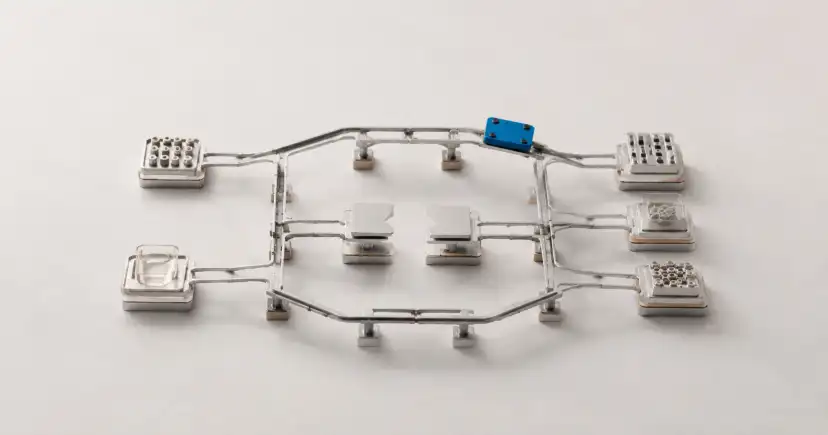
Succession without a bench: how to measure depth and coverage
A matrix showing two successors for every position can still hide severe dependency; coverage, depth, and time reveal how resilient the network really is.
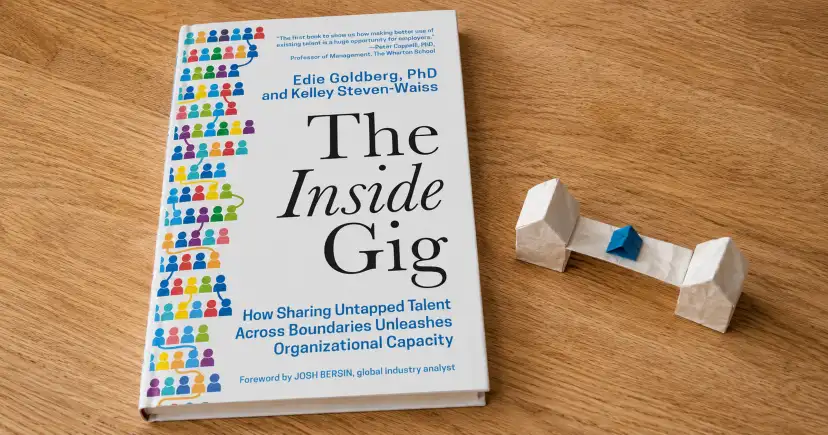
The Inside Gig: when mobility no longer depends on job openings
The Inside Gig proposes mobilizing talent through internal projects rather than waiting for a job opening, prompting an examination of what turns an opportunity into real work.
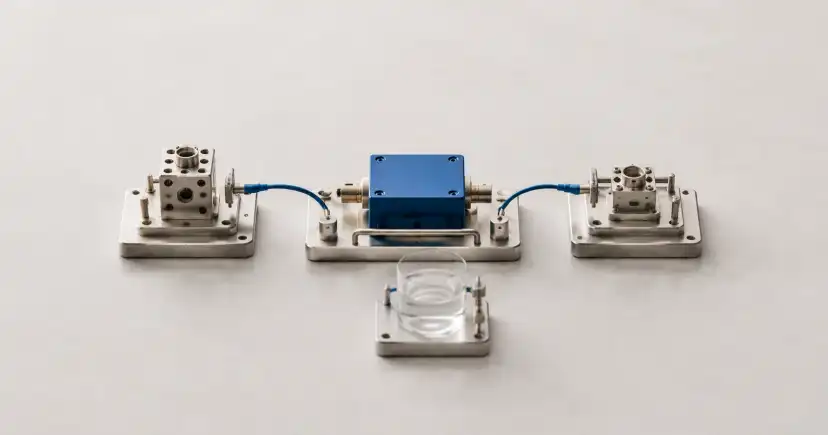
What evidence an internal transition needs to stop being a gamble
Deciding on an internal transition requires four pieces of evidence. They must separate transferable capability, adaptation still needed, confirmed gaps, and entry conditions.

Why leaders hold on to talent the organization needs to move
Why would a leader hold on to someone who could contribute more in another unit?
Lateral mobility can be development without being a promotion
Even without a change in hierarchy, lateral mobility can develop judgment by changing the problems, relationships, and decisions a person faces.