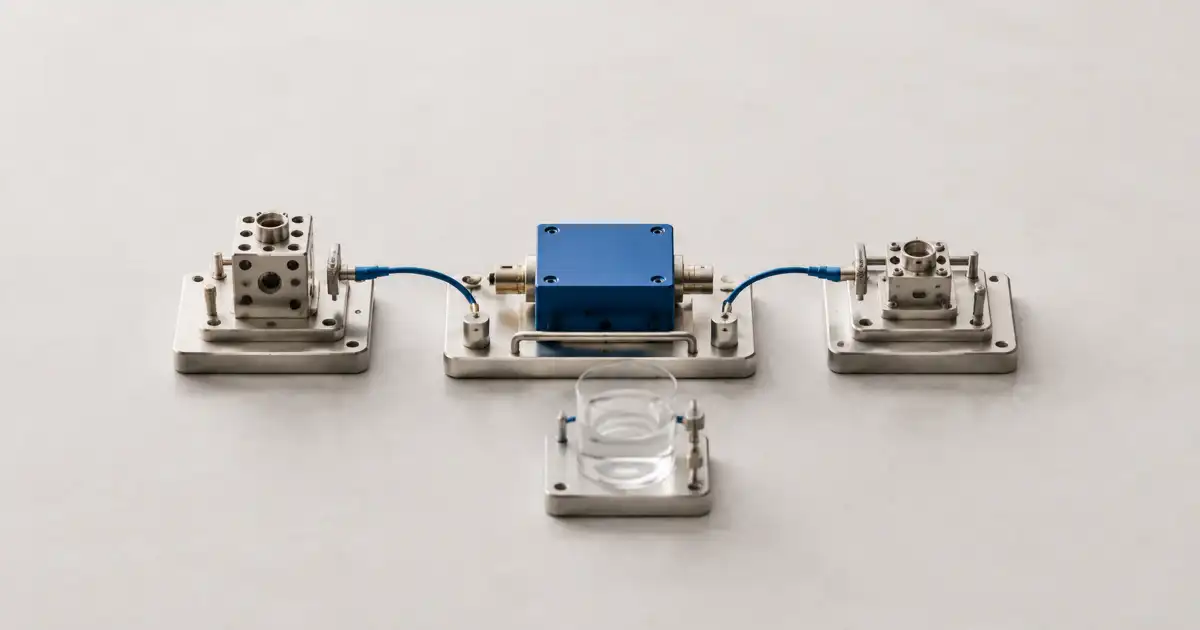
What evidence an internal transition needs to stop being a gamble
Deciding on an internal transition requires four pieces of evidence. They must separate transferable capability, adaptation still needed, confirmed gaps, and entry conditions.
What should someone have to prove if they know the organization, have solved adjacent problems, and have never held the destination role?
Requiring identical experience turns internal mobility into a replica of external hiring. Relying on reputation alone creates the opposite risk. The decision needs a concise case file that makes visible what we know and what still needs to be observed.
Begin with episodes from the source role
Gather situations in which the person made decisions, handled exceptions, or was accountable for outcomes related to the destination.
The name of a skill and an aggregate score offer little resolution. The episode should show context, complexity, autonomy, quality, and consequences.
Avoid selecting only recent successes. An episode in which the person corrected a decision provides information about learning and calibration. A documented failure may be more relevant than a routine delivery with no difficulty.
Then ask which part appears again in the new role. The capability to interpret signals may transfer. The sources, constraints, and people affected may change substantially.
Weight episodes by their proximity to future demand, not by prestige. A visible deliverable may provide less evidence than a small decision made under comparable constraints. Recency and frequency help, but they do not replace correspondence between the observed work and the destination work.
Test the destination’s critical difference
Observe how the person interprets the new context, which questions they ask, when they seek support, and how they adjust a decision after receiving evidence.
People who know the destination must agree on the difference they want to observe before designing the test. If each person looks for a different signal, the exercise will accumulate impressions without reducing the uncertainty that prompted the transition.
The test must be proportionate. Do not use unpaid work or artificially adverse conditions. Communicate the criteria, time, and use of the result. When reasonable accommodations exist, include them without changing the demand being observed.
CIPD reviews selection methods and emphasizes the relevance of tools tied to the work, together with consistent criteria and fair treatment. Internal mobility provides additional historical information, but it must be connected to the destination’s real demand. CIPD, Selection methods (opens in a new tab).

Classify what is missing without turning everything into a gap
The case file needs at least four states:
- directly reusable capability.
- demonstrated capability that requires contextual adaptation.
- a confirmed gap against a relevant expectation.
- an area without sufficient evidence.
Only the third state supports a claim that development is missing. The fourth calls for another observation or an explicit decision about uncertainty.
This classification prevents someone from being rejected for not having followed the same path. It also prevents a strong internal story from becoming a universal guarantee.
Design the entry conditions
Some transitions are reasonable if they begin with bounded decisions, review of critical cases, or a consultation network during the first few weeks.
Define who will provide support, which authority remains supervised, which outcomes will show progress, and when the arrangement will be reviewed. The conditions control risk while new evidence emerges.
If the destination cannot provide time, access, or support, the constraint does not belong to the person alone. The organization is also deciding how much risk it can absorb.
The person must know and be able to discuss these conditions. A transition period should not become indefinite supervision or a lower expectation that no one ever updates.
Define how each form of support ends as well. A review may expand authority, maintain a specific protection, or stop the move. Without exit criteria, support stops controlling risk and begins creating an interim role without clear boundaries.
Record a revisable conclusion
The case file may recommend the move, a bounded preliminary experience, or additional evidence. It should retain the decision’s limits and a review date.
On that date, compare the agreed expectation with observed decisions and outcomes. Avoid assessing adaptation through general impressions. The review may confirm the move, adjust support, or recognize that the distance was different from the estimate.
The OECD describes skills-first approaches as a way to reduce exclusive reliance on credentials and improve the connection between capabilities, learning, and work. It also notes the importance of a shared language, assessment, and recognition of prior learning. OECD, A Skills-First Labour Market, 2026 (opens in a new tab).
Applying that approach to internal mobility does not mean ignoring experience. It means asking for evidence proportionate to the work and recognizing which part can be acquired during the transition.
The connection with Lateral mobility can be development without being a promotion is direct: the move creates learning because it changes context and decisions. The case file makes it possible to decide whether that distance is reasonable and how to support it.
No transition is free of uncertainty. Future evidence may confirm the estimated distance or reveal a different one. That margin remains open until the person is observed under the destination’s real conditions.
To extend this reading, see Why leaders hold on to talent the organization needs to move, How to estimate the distance between two roles, and The Inside Gig: when mobility no longer depends on job openings, which develop complementary dimensions of the problem.
Keep exploring
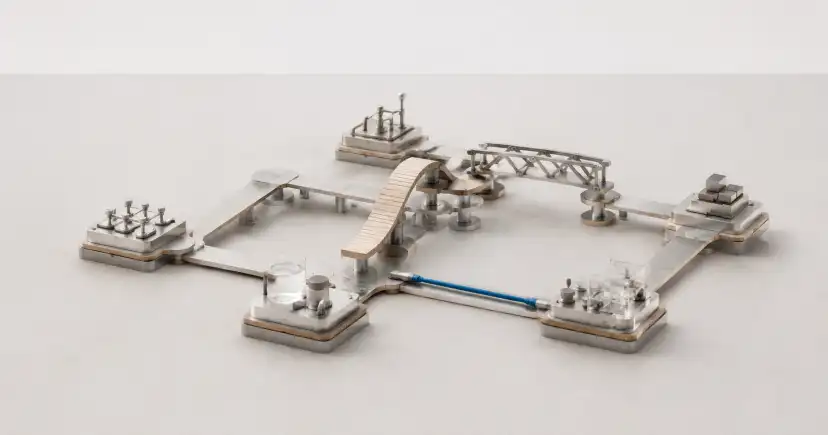
A career is not a ladder: how to represent real mobility paths
How can a career be represented when progress may come through specialization, projects, lateral moves, cross-functional leadership, and returns?
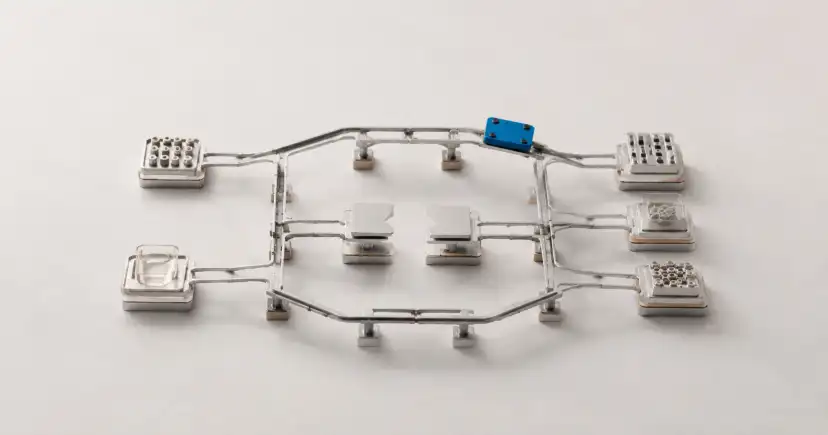
Succession without a bench: how to measure depth and coverage
A matrix showing two successors for every position can still hide severe dependency; coverage, depth, and time reveal how resilient the network really is.
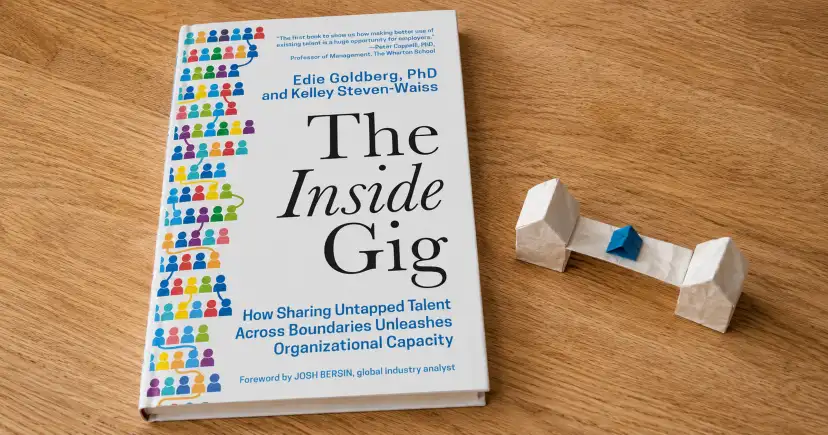
The Inside Gig: when mobility no longer depends on job openings
The Inside Gig proposes mobilizing talent through internal projects rather than waiting for a job opening, prompting an examination of what turns an opportunity into real work.
Lateral mobility can be development without being a promotion
Even without a change in hierarchy, lateral mobility can develop judgment by changing the problems, relationships, and decisions a person faces.

When to reassess after a development action
Reassessing too soon can mistake a recent activity for a developed capability. Reassessing too late leaves unanswered a question that could already be resolved. The right time depends not only on the calendar, but also on opportunities to practice, the quality of the evidence, and the stability of the change.

What people should receive after an assessment
An assessment that returns only a score provides less information than it used to reach its conclusion. The person needs to understand the result, the evidence behind it, its limitations, and what they can do with it.