
A career is not a ladder: how to represent real mobility paths
How can a career be represented when progress may come through specialization, projects, lateral moves, cross-functional leadership, and returns?
Articles about role transitions, transferable capabilities, and career paths.
13 articles
How can a career be represented when progress may come through specialization, projects, lateral moves, cross-functional leadership, and returns?
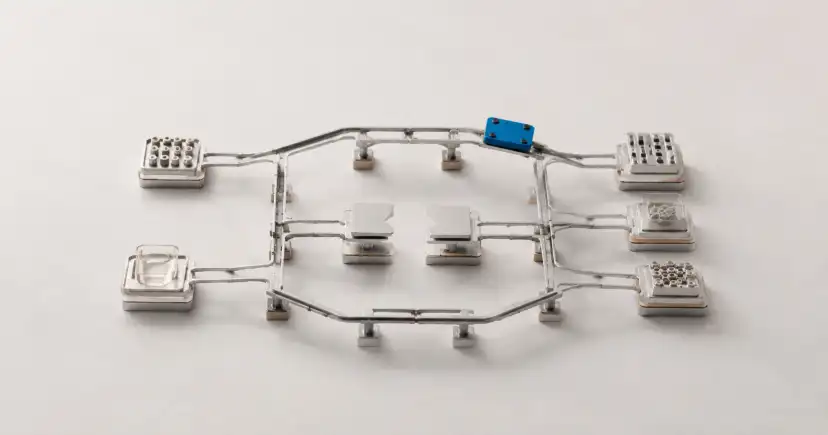
A matrix showing two successors for every position can still hide severe dependency; coverage, depth, and time reveal how resilient the network really is.

The Inside Gig proposes mobilizing talent through internal projects rather than waiting for a job opening, prompting an examination of what turns an opportunity into real work.

Deciding on an internal transition requires four pieces of evidence. They must separate transferable capability, adaptation still needed, confirmed gaps, and entry conditions.

Why would a leader hold on to someone who could contribute more in another unit?

Even without a change in hierarchy, lateral mobility can develop judgment by changing the problems, relationships, and decisions a person faces.

A list of possible replacements can create a sense of control while leaving intact the dependency that threatens the organization. Succession becomes a capability when the organization builds coverage, alternatives, and learning before a vacancy arises.

Being ready now does not mean being the best person on a list or eliminating every risk. It means that enough evidence exists to support a specific transition under known conditions.

Current performance, potential, and readiness answer different questions. Keeping them separate prevents strong performance today from becoming a promise about the future, or a possibility for growth from becoming a premature promotion.

Changing roles does not erase capabilities that have already been demonstrated. Nor does it make them automatically transferable. A realistic transition distinguishes what can be reused, what requires adaptation, what is missing, and what has yet to be observed.

A person may seem close to a role because many of their skills overlap, yet still face a difficult transition because of differences in level, context, autonomy, or experience. A job title may also make someone appear farther away than they are, obscuring a broader base of transferable skills than the organization recognizes.

An organization may spend months searching for a capability that already exists within it but is associated with another title, another industry, or a problem described by a different name.