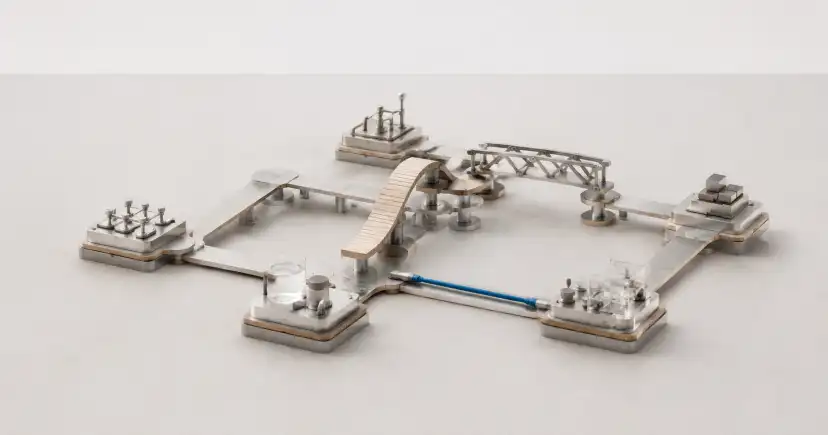
A career is not a ladder: how to represent real mobility paths
How can a career be represented when progress may come through specialization, projects, lateral moves, cross-functional leadership, and returns?
Articles about turning gaps and aspirations into observable, sustainable growth.
14 articles
How can a career be represented when progress may come through specialization, projects, lateral moves, cross-functional leadership, and returns?
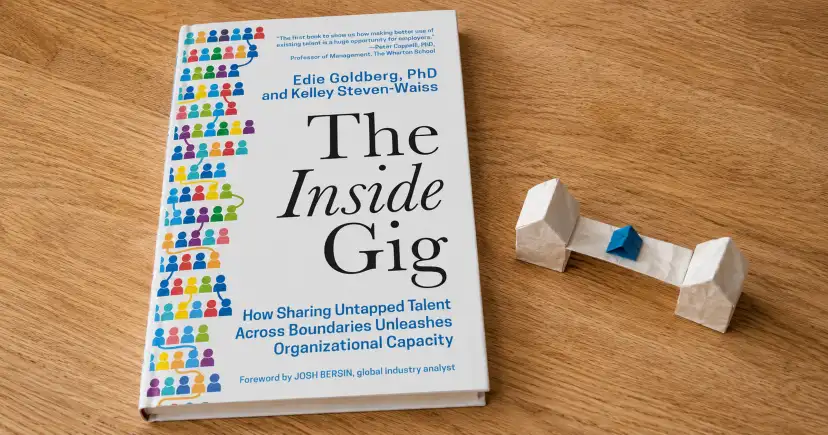
The Inside Gig proposes mobilizing talent through internal projects rather than waiting for a job opening, prompting an examination of what turns an opportunity into real work.
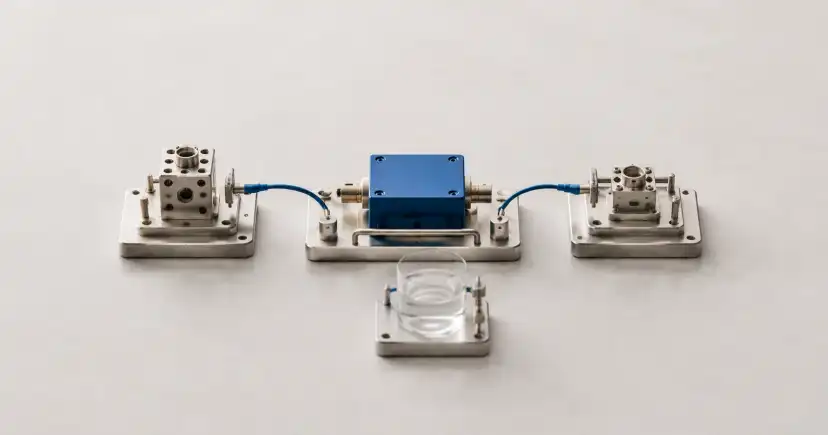
Deciding on an internal transition requires four pieces of evidence. They must separate transferable capability, adaptation still needed, confirmed gaps, and entry conditions.

Even when someone develops a skill, the organization may retain the same constraint if the opportunity, support, or authority to apply it is missing.
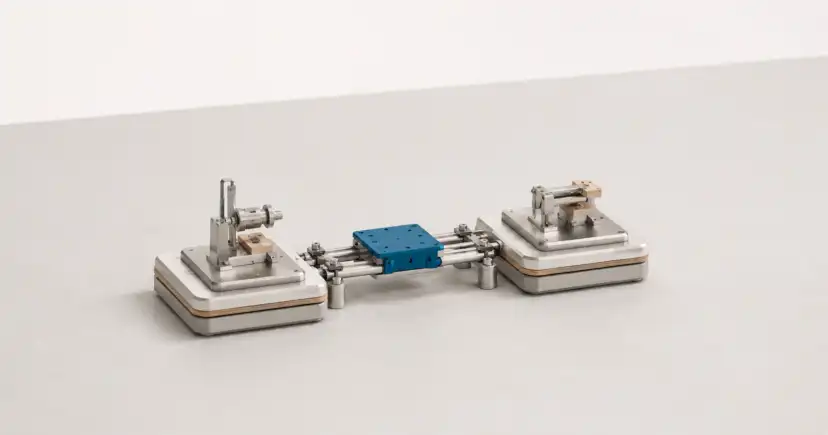
Even without a change in hierarchy, lateral mobility can develop judgment by changing the problems, relationships, and decisions a person faces.
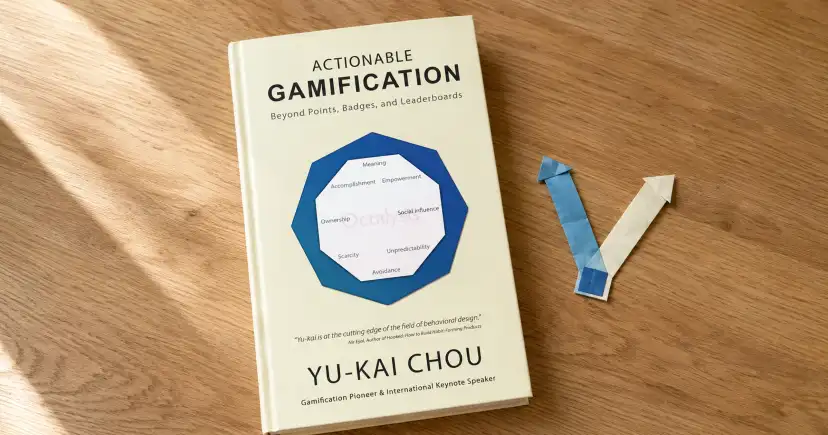
The most useful contribution of Actionable Gamification is not that it teaches us to turn learning into a game, but that it forces us to ask what sustains effort once novelty fades.
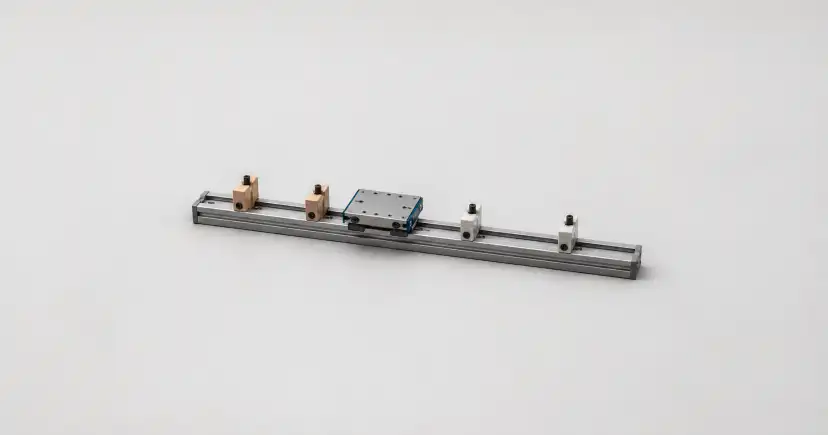
Development rarely advances through clean jumps from one level to the next. Between levels, small changes in application, autonomy, consistency, or complexity deserve recognition without being converted into percentages of mastery.

Reassessing too soon can mistake a recent activity for a developed capability. Reassessing too late leaves unanswered a question that could already be resolved. The right time depends not only on the calendar, but also on opportunities to practice, the quality of the evidence, and the stability of the change.

An assessment that returns only a score provides less information than it used to reach its conclusion. The person needs to understand the result, the evidence behind it, its limitations, and what they can do with it.

An assessment can identify ten gaps without producing a single priority. When every gap becomes an action, the development plan stops providing direction: it spreads attention, combines different degrees of urgency, and makes progress nearly impossible to recognize.

Closing a gap in a person's current role and preparing for the next level may involve similar actions, but they answer to different commitments. Combining them changes both the priority and the meaning of the assessment.

A conversation about a gap does not require softening the evidence until it becomes unrecognizable. It requires separating the expectation, the observation, and the interpretation so that the person can understand and participate.