Professional development

Articles about turning gaps and aspirations into observable, sustainable growth.

19 articles

Latest articles

  1. Three shoots at different stages of growth planted in the same container.

    When to reassess after a development action

    PRYSMAP

    Reassessing too soon can mistake a recent activity for a developed capability. Reassessing too late leaves unanswered a question that could already be resolved. The right time depends not only on the calendar, but also on opportunities to practice, the quality of the evidence, and the stability of the change.
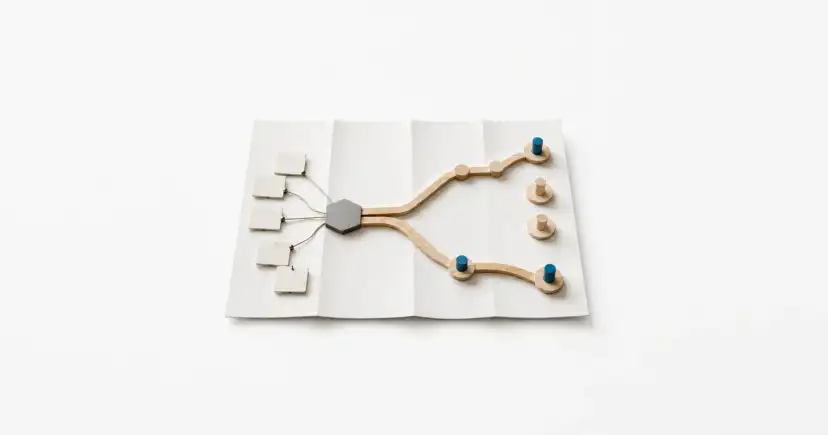
  2. Wooden path diagram starting from five cards, merging, then branching toward several markers.

    What people should receive after an assessment

    PRYSMAP

    An assessment that returns only a score provides less information than it used to reach its conclusion. The person needs to understand the result, the evidence behind it, its limitations, and what they can do with it.

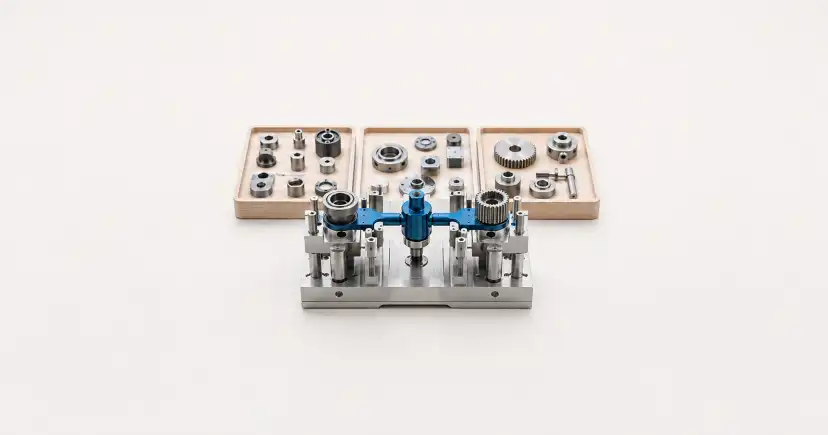
  3. Precision assembly fixture in front of three trays holding gears, bearings, and other metal parts.

    How to prioritize gaps without creating an endless list

    PRYSMAP

    An assessment can identify ten gaps without producing a single priority. When every gap becomes an action, the development plan stops providing direction: it spreads attention, combines different degrees of urgency, and makes progress nearly impossible to recognize.

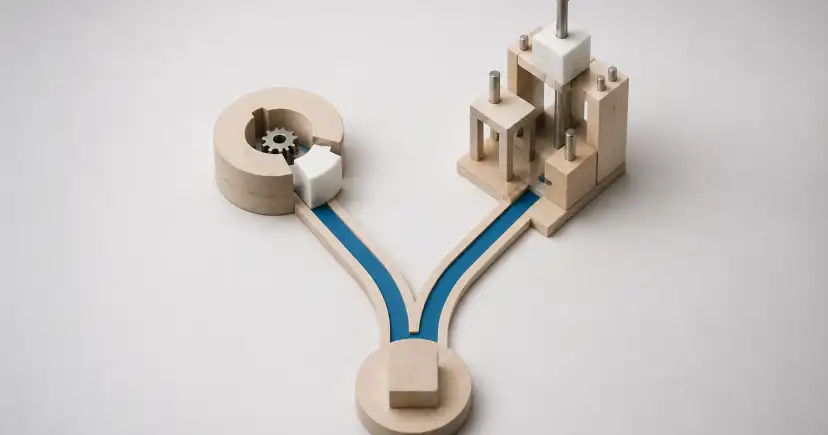
  4. A forked wooden path leading to a circular gear mechanism and a multilevel post structure.

    Leveling and growth are not the same conversation

    PRYSMAP

    Closing a gap in a person's current role and preparing for the next level may involve similar actions, but they answer to different commitments. Combining them changes both the priority and the meaning of the assessment.

  5. A two-person workbench with lamps, chairs, and several organized wooden pieces.

    How to discuss a gap without demotivating

    PRYSMAP

    A conversation about a gap does not require softening the evidence until it becomes unrecognizable. It requires separating the expectation, the observation, and the interpretation so that the person can understand and participate.

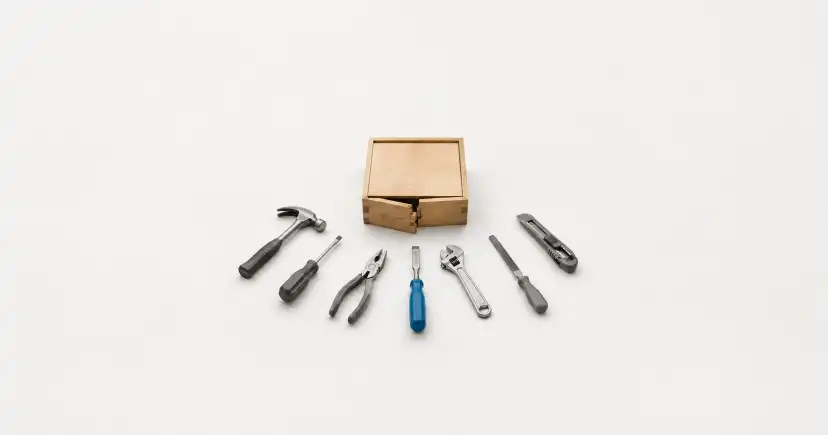
  6. An open wooden box surrounded in a semicircle by hammers, pliers, screwdrivers, wrenches, and a utility knife.

    Seven questions before recommending a course

    PRYSMAP

    Identifying a gap does not justify prescribing training. First, we need to understand what is preventing performance and what kind of intervention might change it.

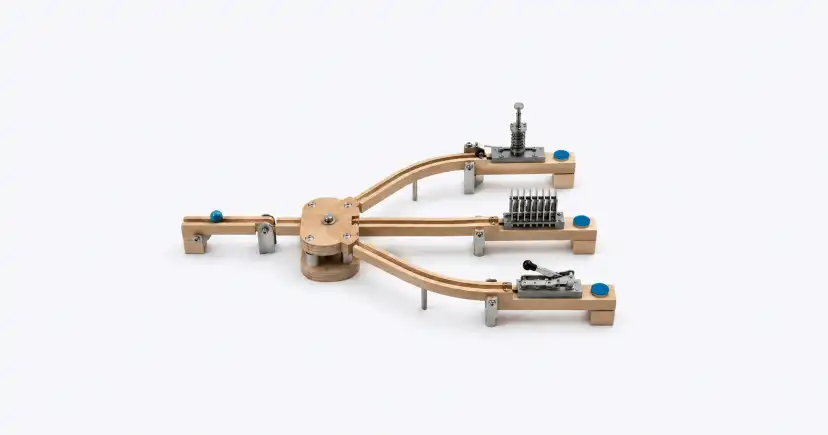
  7. A wooden device with three branches extending from a circular mechanism to separate modules.

    Turning a gap into a development plan

    PRYSMAP

    A gap describes the distance between performance and an expectation. Turning it into development requires interpreting its origin, setting its priority, addressing the likely cause, and then checking what changed in the work itself.