PRYSMAP

PRYSMAP brings together perspectives on organizational intelligence, measurement, and human systems.

93 articles

Latest articles

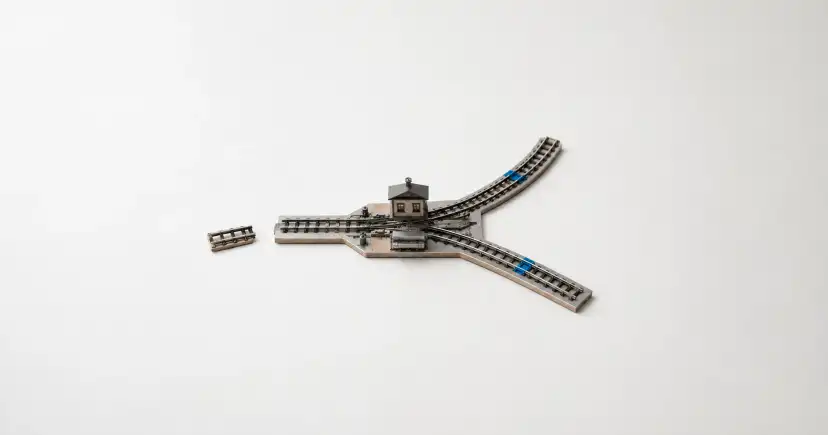
  1. Model railway with a station, three diverging tracks, and one disconnected rail segment.

    Succession as an organizational capability, not a secret list

    PRYSMAP

    A list of possible replacements can create a sense of control while leaving intact the dependency that threatens the organization. Succession becomes a capability when the organization builds coverage, alternatives, and learning before a vacancy arises.
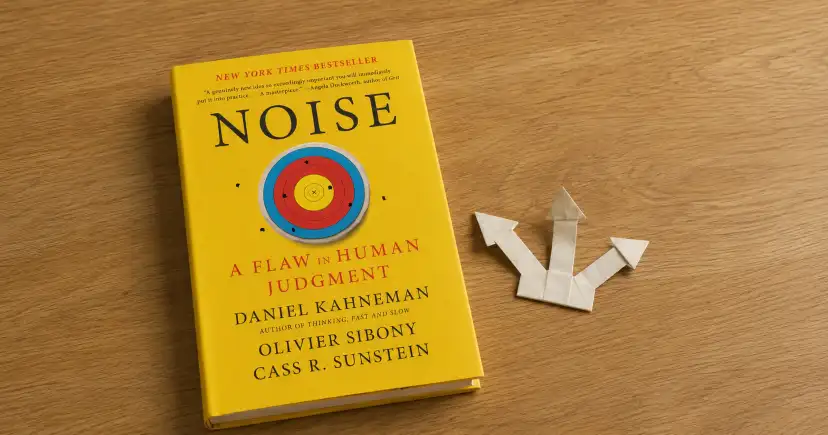
  2. The yellow cover of Noise on a wooden table beside two white paper shapes.

    Noise — why two assessors see different results

    PRYSMAP

    Noise brings an uncomfortable idea to talent decisions: two competent assessors can apply the same criteria and reach different conclusions for reasons the system never deliberately chose to accept.

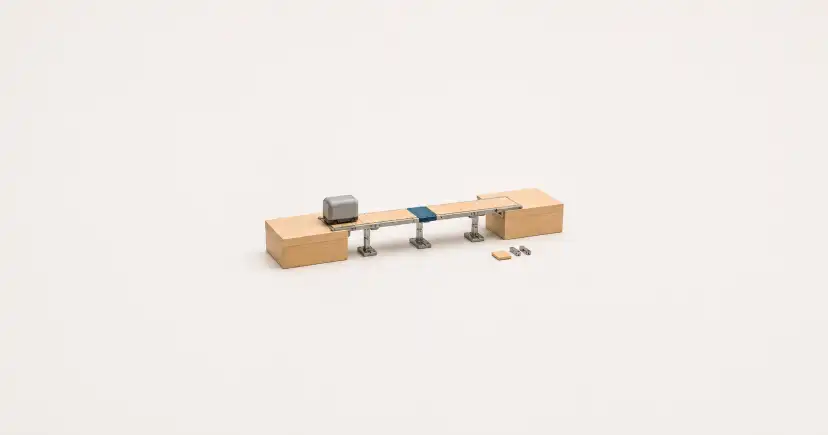
  3. Narrow conveyor bridge between two wooden blocks, with a cube and several loose parts.

    What it means to be ready now for a critical role

    PRYSMAP

    Being ready now does not mean being the best person on a list or eliminating every risk. It means that enough evidence exists to support a specific transition under known conditions.

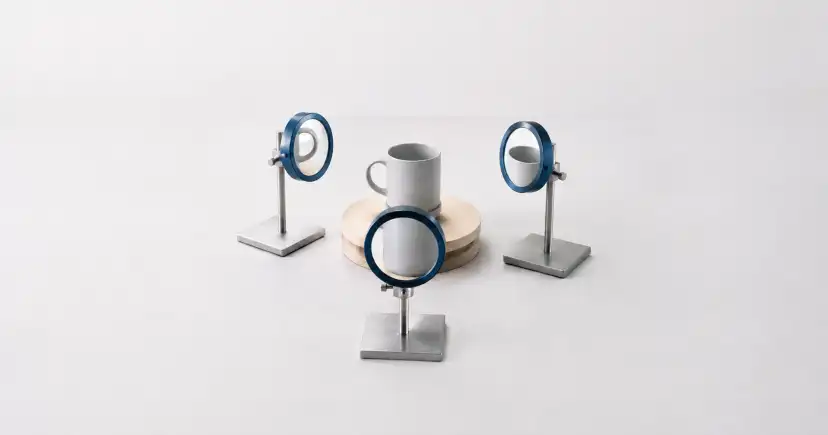
  4. White pitcher on a circular base, viewed from three sides through round lenses.

    Perception is not reality, but it should not be ignored

    PRYSMAP

    A perception does not capture reality like a camera. It does, however, record how someone interprets what they could observe within a particular relationship, at a particular moment, and against specific expectations. That limitation does not make perception irrelevant; it determines how perception should be read.

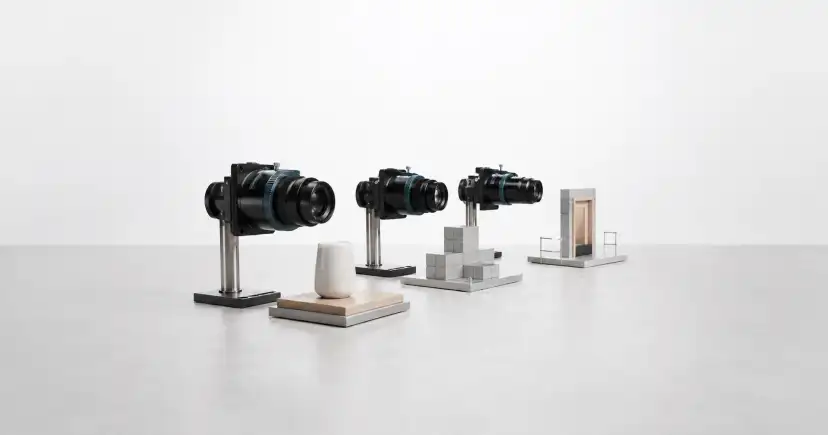
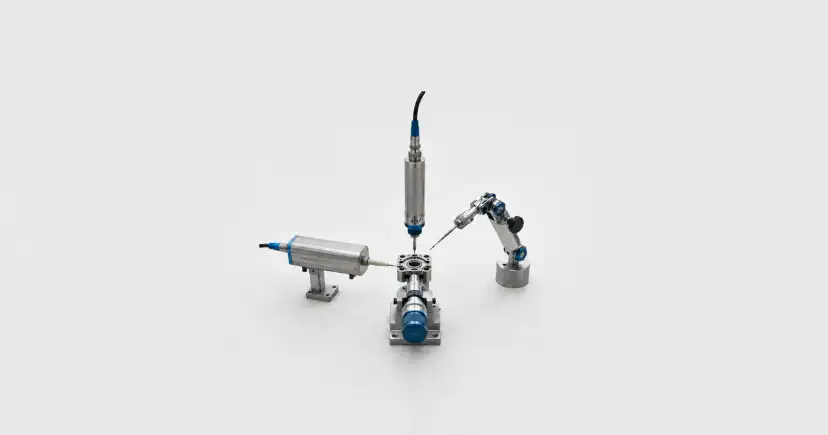
  5. Three measuring instruments aimed at the same metal component.

    Pulse, Check, Interview, and Target answer different questions

    PRYSMAP

    Pulse, Check, Interview, and Target can coexist within the same assessment architecture, but they are not longer or shorter versions of the same instrument. Each mode answers a different question, produces a different kind of evidence, and supports conclusions with a distinct scope.

  6. Three shoots at different stages of growth planted in the same container.

    When to reassess after a development action

    PRYSMAP

    Reassessing too soon can mistake a recent activity for a developed capability. Reassessing too late leaves unanswered a question that could already be resolved. The right time depends not only on the calendar, but also on opportunities to practice, the quality of the evidence, and the stability of the change.

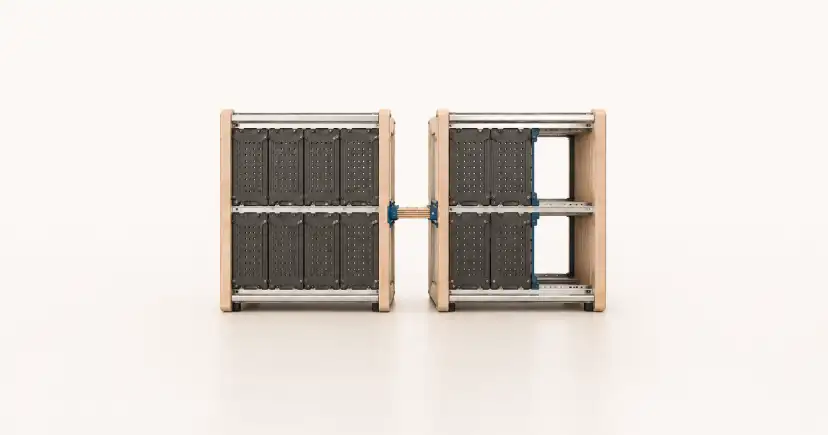
  7. Two connected modular frames; the frame on the right has two spaces without panels.

    Internal mobility — changing roles without starting from scratch

    PRYSMAP

    Changing roles does not erase capabilities that have already been demonstrated. Nor does it make them automatically transferable. A realistic transition distinguishes what can be reused, what requires adaptation, what is missing, and what has yet to be observed.

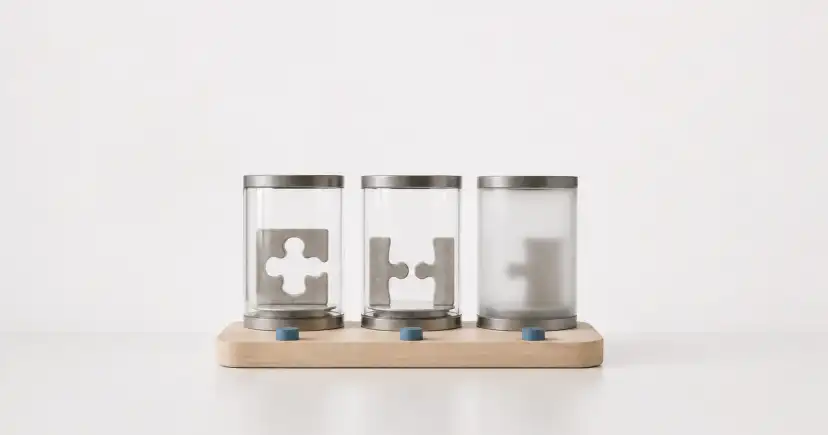
  8. Three clear cylinders holding puzzle fragments; the last is frosted and conceals its contents.

    What to do when evidence is insufficient to decide

    PRYSMAP

    Missing evidence, conflicting evidence, and uncertainty are not the same problem. When they are collapsed into a generic category, an organization may manufacture certainty, defer a decision indefinitely, or treat something it has not yet observed as a gap.

  9. Wooden path diagram starting from five cards, merging, then branching toward several markers.

    What people should receive after an assessment

    PRYSMAP

    An assessment that returns only a score provides less information than it used to reach its conclusion. The person needs to understand the result, the evidence behind it, its limitations, and what they can do with it.