PRYSMAP

PRYSMAP brings together perspectives on organizational intelligence, measurement, and human systems.

93 articles

Latest articles

  1. Glass jar layered with stones and sand, flanked by small bowls of materials.

    The problem with turning a score into an identity

    PRYSMAP

    A score summarizes evidence obtained under certain rules, sources, and conditions. When language turns it into a definition of who the person is, a time-bound measurement begins to govern expectations, opportunities, and new interpretations.
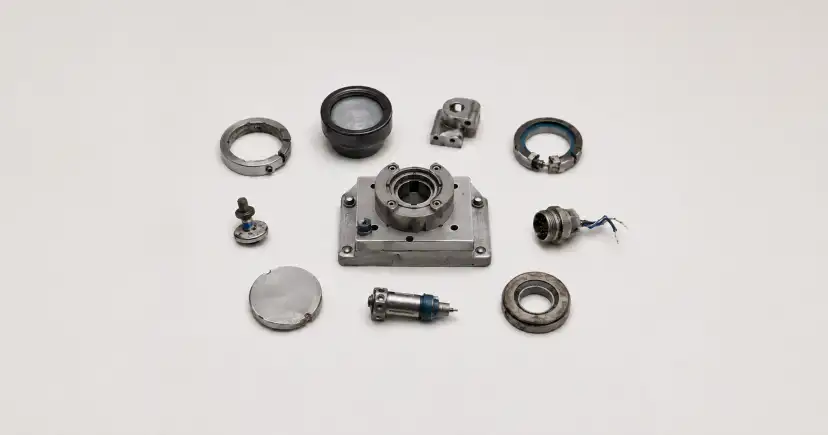
  2. Metal parts from a disassembled mechanism arranged on a white background.

    Ten signs of a poorly designed assessment

    PRYSMAP

    A poorly designed assessment often reveals its flaws before producing results. The following signs help detect problems in what is being assessed, the questions, the evidence, the scales, and the intended use while the design can still be corrected.

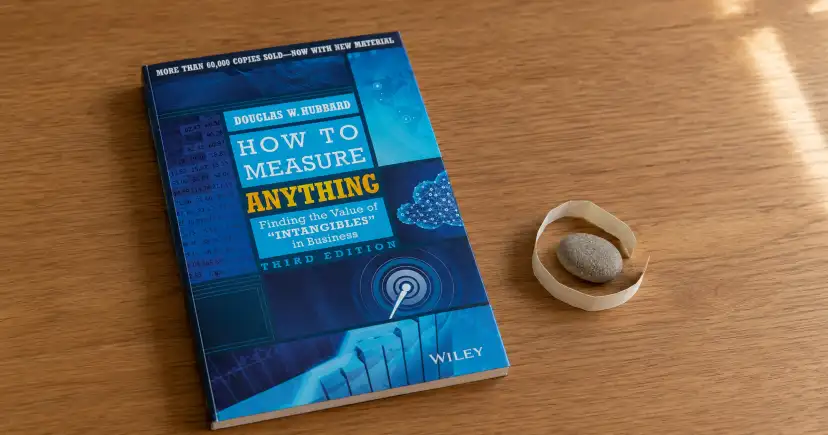
  3. The cover of How to Measure Anything on a wooden table beside a rolled measuring tape.

    What How to Measure Anything can teach us about talent

    PRYSMAP

    The most productive contribution of How to Measure Anything is not the promise of a number for everything. It is the demand that we specify which uncertainty we want to reduce before we begin collecting data.

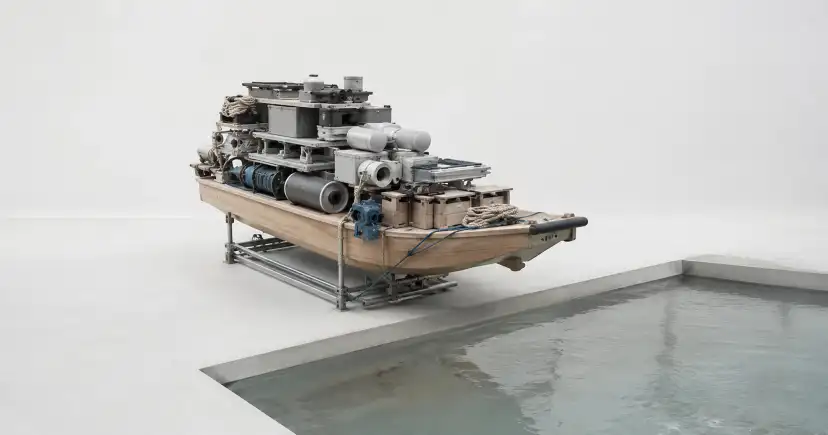
  4. Model of a mechanical vessel beside a shallow pool in a white room.

    The skills pilot that tried to cover the entire organization

    PRYSMAP

    The pilot began with an understandable ambition: if skills were meant to serve the entire organization, it seemed more efficient to design a solution for everyone from the start. That decision turned a learning exercise into a program that could not get started.

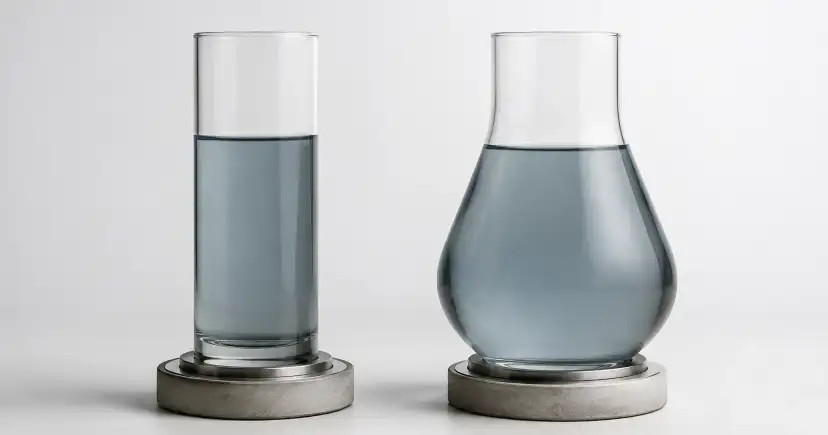
  5. Two clear containers of different shapes hold gray liquid at different heights.

    When two data points look comparable but are not

    PRYSMAP

    A dashboard shows the same result for two business areas: 72% meet an expectation. The apparent equivalence vanishes once we learn that each percentage was built from different people, time periods, and sources.

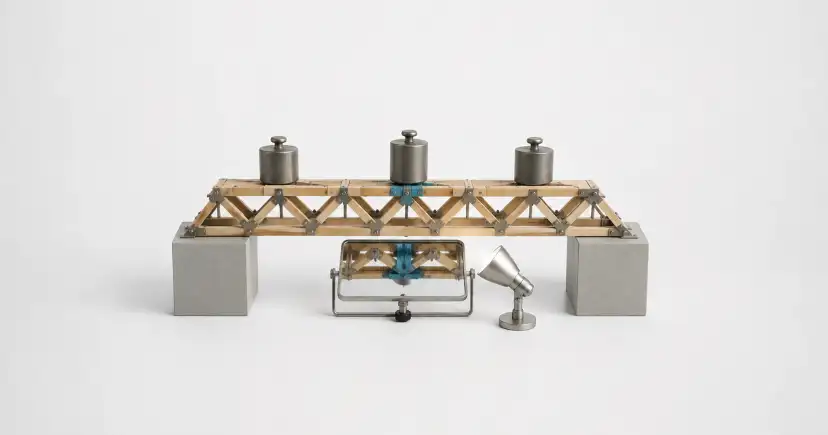
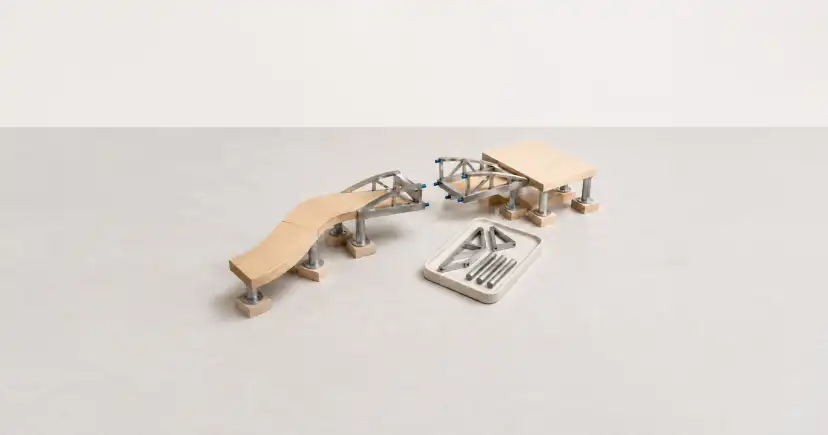
  6. Wooden bridge model with three cylindrical weights on its deck and a gauge beneath it.

    Why leaders distrust skills assessments

    PRYSMAP

    When a leader distrusts a skills assessment, the usual reaction is to attribute it to resistance to change. But distrust may also point to genuine problems with burden, observation, interpretation, or consequences that the design has not yet resolved.

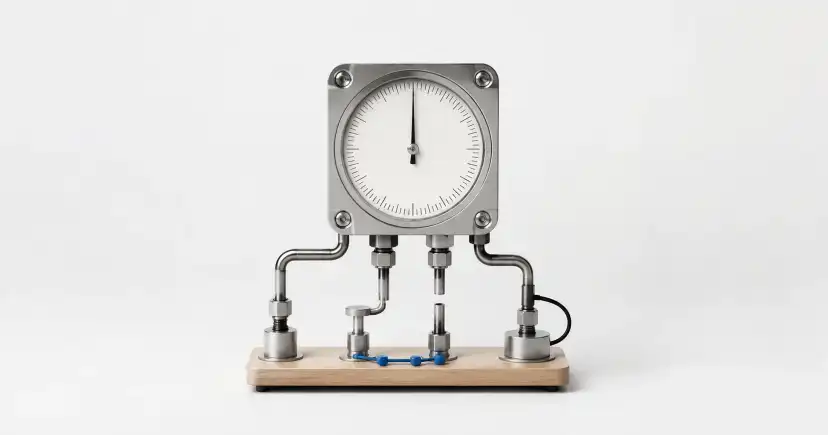
  7. Needle gauge connected by tubes to a wood-and-metal base.

    The illusion of precision in talent dashboards

    PRYSMAP

    A dashboard can display 73.4 and still fail to explain what was observed, how the evidence was combined, or how much the conclusion could change. Visual exactness does not guarantee conceptual precision.

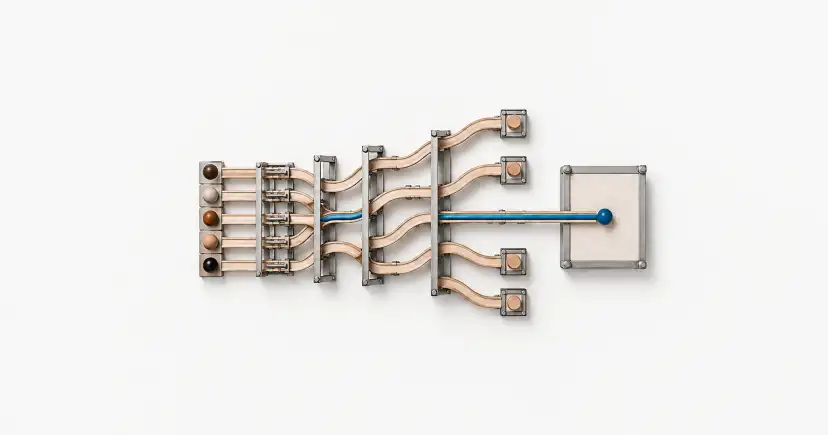
  8. Wooden mechanism with curved rails, metal pieces, and a blue rod on a white background.

    How to choose the first track for a skills pilot

    PRYSMAP

    The first track in a skills pilot should generate useful learning without sacrificing relevance. Choosing it requires separating indispensable conditions from criteria used to compare viable candidates.

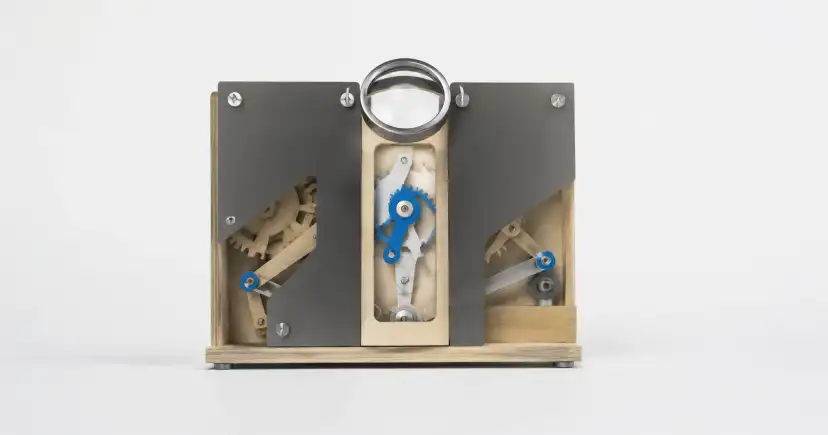
  9. Wood-and-metal mechanism with exposed gears and a circular magnifying lens at the top.

    The leader who assesses without observing

    PRYSMAP

    The authority to assess comes with the role. The quality of the judgment comes from the evidence. When the two are confused, familiarity, reputation, and visible results take the place of observation.

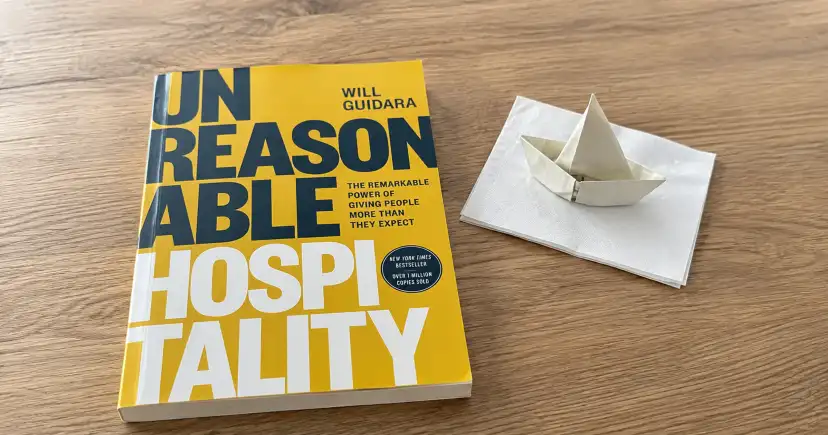
  10. The yellow cover of Unreasonable Hospitality on a wooden table beside a white paper boat.

    Unreasonable Hospitality and the ability to exceed expectations

    PRYSMAP

    Unreasonable Hospitality is often remembered for its extraordinary gestures toward guests. But the book's most useful argument lies behind those moments: exceeding expectations is not a spontaneous attitude but a collective capability built through attention, judgment, autonomy, and coordination.