How to add a 360 without turning it into an average
A 360 improves an assessment when it preserves what each source observed, from which relationship, and within what limits; averaging first destroys that information.
Articles about organizational intelligence, measurement, and human systems.
A 360 improves an assessment when it preserves what each source observed, from which relationship, and within what limits; averaging first destroys that information.

Even when someone develops a skill, the organization may retain the same constraint if the opportunity, support, or authority to apply it is missing.

Consider an unexpected absence: a capability is fragile when its absence interrupts a critical outcome and no alternative has demonstrated that it can restore that outcome in time.

How do you keep a calibration session from turning into a negotiation over scores? Bring evidence, context, and criteria into the conversation before the number.
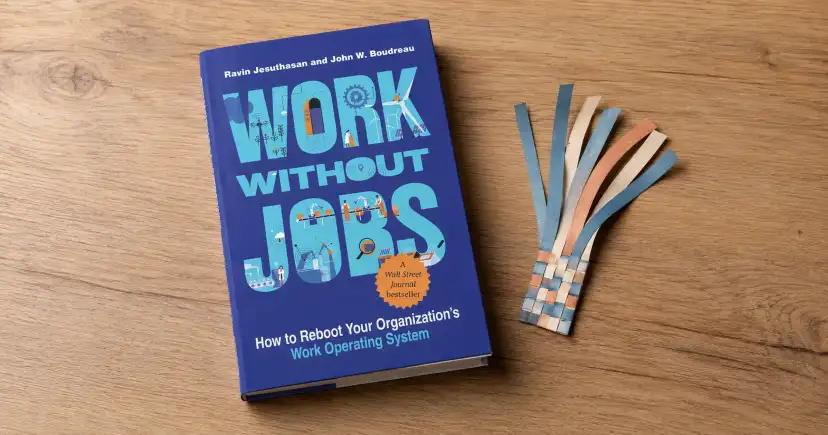
Work without Jobs proposes looking beyond the job as a whole and brings into view a layer that skill architectures often overlook: the work that needs to be organized.

Even when usage is high, a model may not yet have been adopted: the decisive evidence appears when it changes a real decision and that change can be reconstructed.

Should the organization create a new role or redistribute the work? The answer depends on the stability, distinctiveness, and accountability of the missing contribution.

Before recommending training in response to a gap, compare four possible sources: individual proficiency, team coverage, interfaces, and the operating model.

Even without a change in hierarchy, lateral mobility can develop judgment by changing the problems, relationships, and decisions a person faces.

What does a space without a conclusion actually mean? It may indicate an absence of observation, an expectation outside the role, or insufficient evidence. Distinguishing these states prevents us from assigning a gap that the data does not demonstrate.

Staffing decisions require knowing how many people there will be. Capability planning also requires understanding what work they can sustain, under which constraints, and with what coverage.
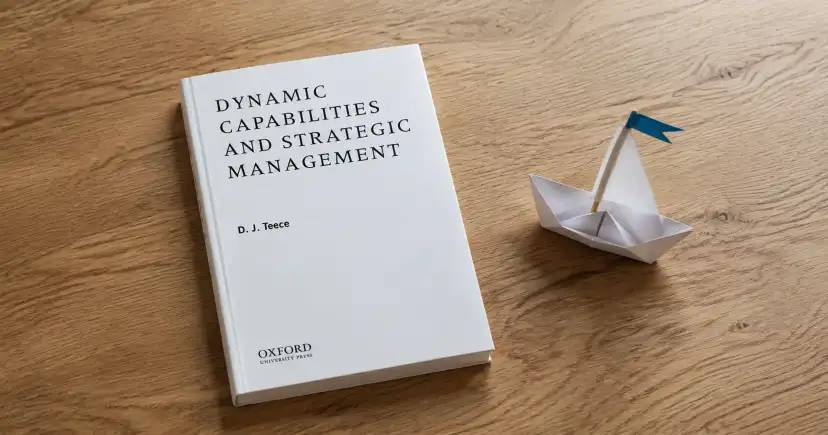
David Teece locates strategic capability in the ability to integrate, build, and reorganize resources. His perspective explains why a skills inventory provides information about people but does not demonstrate organizational adaptation. The decisive moment comes when the environment demands change.