Leadership

Articles on leadership, observation, productive conversations, and the conditions teams need to grow.

12 articles

Latest articles

  1. Two gauges connected to a wood-and-metal lever mechanism.

    Confidence is not competence

    PRYSMAP

    Confidence becomes visible before competence does. It appears in the speed of a response, the firmness of a voice, and the willingness to take up space. Competence, by contrast, can be supported only by relevant evidence of what a person can do under specific conditions.

  2. Wooden bridge model with three cylindrical weights on its deck and a gauge beneath it.

    Why leaders distrust skills assessments

    PRYSMAP

    When a leader distrusts a skills assessment, the usual reaction is to attribute it to resistance to change. But distrust may also point to genuine problems with burden, observation, interpretation, or consequences that the design has not yet resolved.

  3. Wood-and-metal mechanism with exposed gears and a circular magnifying lens at the top.

    The leader who assesses without observing

    PRYSMAP

    The authority to assess comes with the role. The quality of the judgment comes from the evidence. When the two are confused, familiarity, reputation, and visible results take the place of observation.

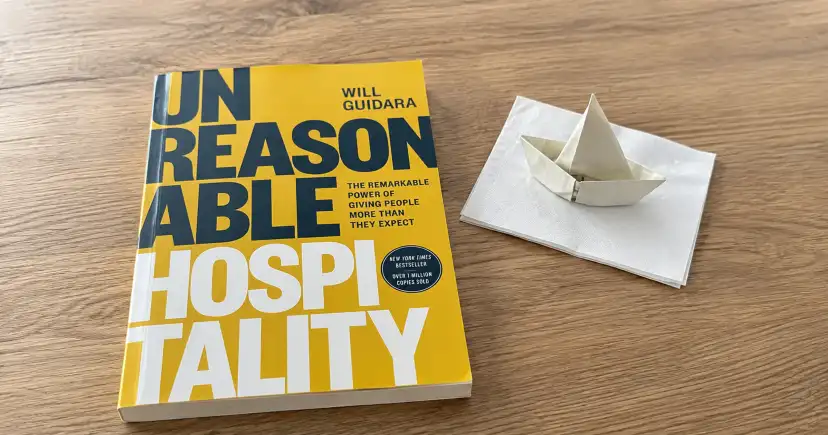
  4. The yellow cover of Unreasonable Hospitality on a wooden table beside a white paper boat.

    Unreasonable Hospitality and the ability to exceed expectations

    PRYSMAP

    Unreasonable Hospitality is often remembered for its extraordinary gestures toward guests. But the book's most useful argument lies behind those moments: exceeding expectations is not a spontaneous attitude but a collective capability built through attention, judgment, autonomy, and coordination.

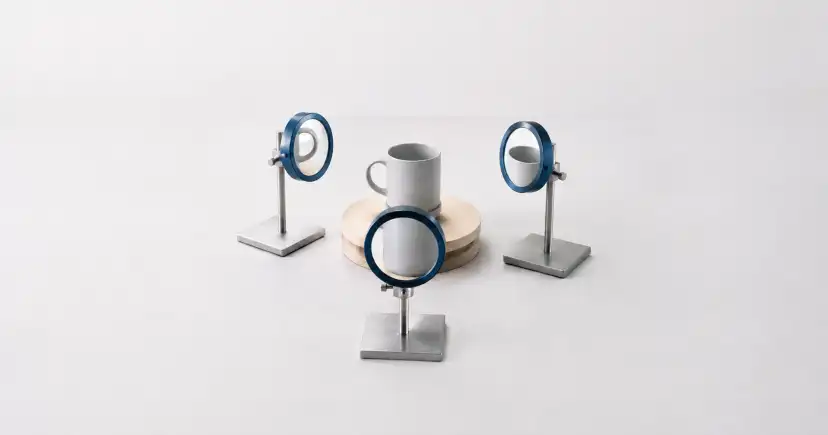
  5. White pitcher on a circular base, viewed from three sides through round lenses.

    Perception is not reality, but it should not be ignored

    PRYSMAP

    A perception does not capture reality like a camera. It does, however, record how someone interprets what they could observe within a particular relationship, at a particular moment, and against specific expectations. That limitation does not make perception irrelevant; it determines how perception should be read.

  6. A two-person workbench with lamps, chairs, and several organized wooden pieces.

    How to discuss a gap without demotivating

    PRYSMAP

    A conversation about a gap does not require softening the evidence until it becomes unrecognizable. It requires separating the expectation, the observation, and the interpretation so that the person can understand and participate.