
The capabilities we choose not to build
Forgoing a capability can protect focus and also change how we judge new opportunities. A strategic choice needs to acknowledge its cost and remain open to revision.
Articles about designing, connecting, and evolving the capabilities an organization needs.
37 articles
Forgoing a capability can protect focus and also change how we judge new opportunities. A strategic choice needs to acknowledge its cost and remain open to revision.

Knowing a plan does not demonstrate that we can execute it. Practice allows specific dependencies to be checked, corrected and tested again without promising a permanent guarantee.

A sale also commits dates and shared capacity. How to distinguish an indicative date, a reservation and a confirmed start before passing the risk on to delivery.
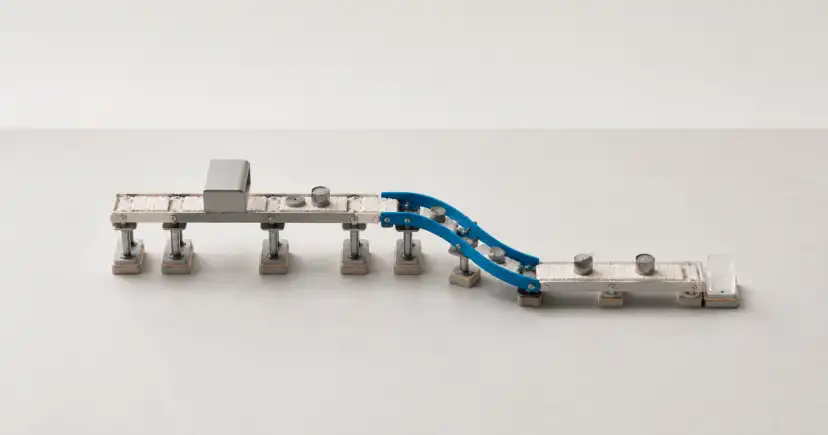
To choose between developing a skill and redesigning the work, first locate the demand. It may lie with the person, an avoidable task, an interface, or variability in the system.

Imagine an architecture whose titles remain stable even as exceptions, decisions, and tasks have shifted: the work changed before its catalog did.
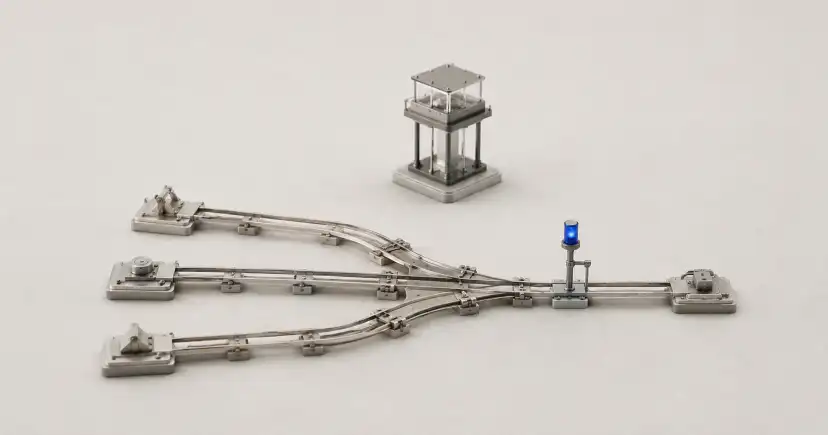
Some people change decisions, raise standards, and expand others' capability without managing a team. The architecture needs to represent that contribution without inventing informal authority.

Maintaining an architecture starts with distinguishing a signal worth recording, a small change with a clear owner, and a structural decision that deserves deliberate review.

Does the organization need breadth, depth, or integration? Generalist, specialist, and hybrid are possible answers, not identities the architecture should fix permanently.

The book Sorting Things Out examines how categories and standards organize the world while distributing visibility, work, and consequences. Reading it through the lens of a skills architecture extends that inquiry to the decisions a taxonomy makes possible.
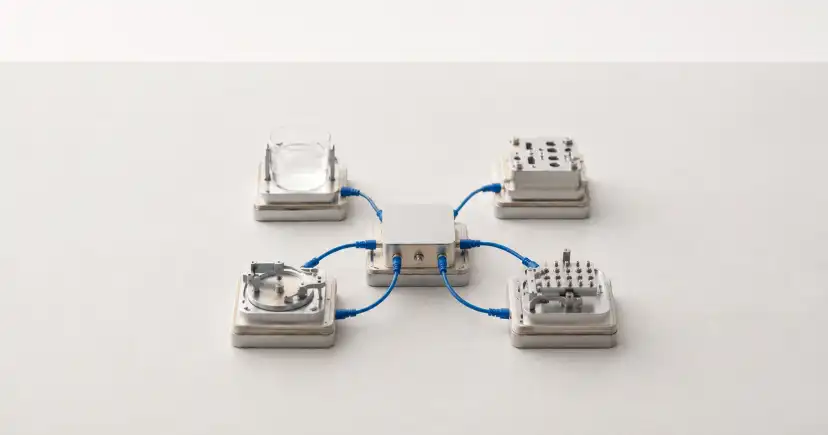
Before asking an expert for more solutions, consider whether their next contribution should increase the system's autonomy. Multiplying capability changes the object of their work.

Although importance, scarcity, and advantage are often compressed into the label “critical skill,” each dimension requires different evidence and investment. Separating them changes what must be protected, sourced, or built as a system.
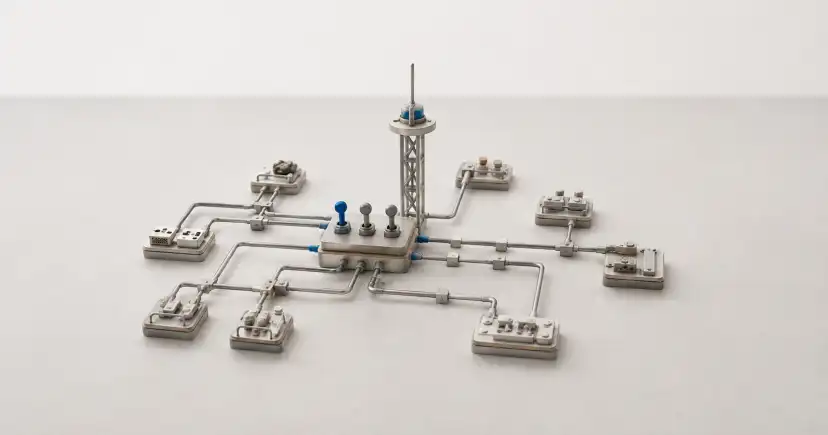
Before scaling an architecture, define which decisions need an owner, a threshold, traceability, and the ability to pause.