
Developing a skill does not always increase organizational capability
Even when someone develops a skill, the organization may retain the same constraint if the opportunity, support, or authority to apply it is missing.
Articles about designing, connecting, and evolving the capabilities an organization needs.
32 articles
Even when someone develops a skill, the organization may retain the same constraint if the opportunity, support, or authority to apply it is missing.
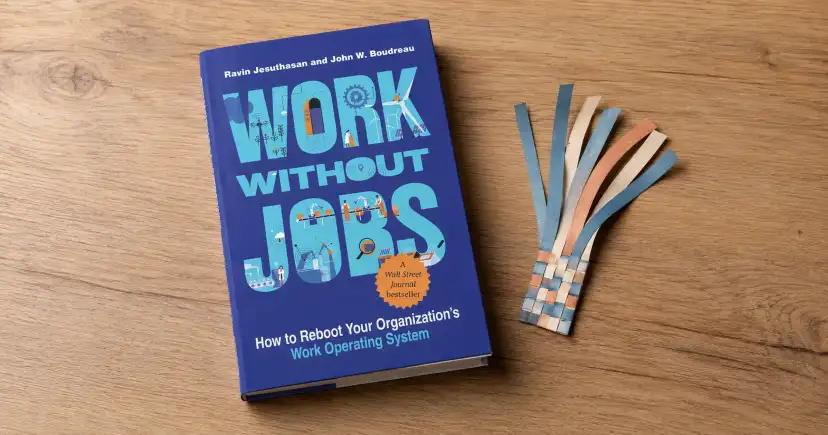
Work without Jobs proposes looking beyond the job as a whole and brings into view a layer that skill architectures often overlook: the work that needs to be organized.

Should the organization create a new role or redistribute the work? The answer depends on the stability, distinctiveness, and accountability of the missing contribution.

Before recommending training in response to a gap, compare four possible sources: individual proficiency, team coverage, interfaces, and the operating model.

Staffing decisions require knowing how many people there will be. Capability planning also requires understanding what work they can sustain, under which constraints, and with what coverage.
David Teece locates strategic capability in the ability to integrate, build, and reorganize resources. His perspective explains why a skills inventory provides information about people but does not demonstrate organizational adaptation. The decisive moment comes when the environment demands change.

The org chart seems to explain how the organization functions because it sets out its formal authority. Actual work also depends on decisions, exchanges, and relationships that cross those lines.

Before using a skills architecture to assess people, validate it by testing its definitions against real decisions, deliverables, and situations.

How do two teams with the same average skill level end up responding in completely different ways to a critical incident?
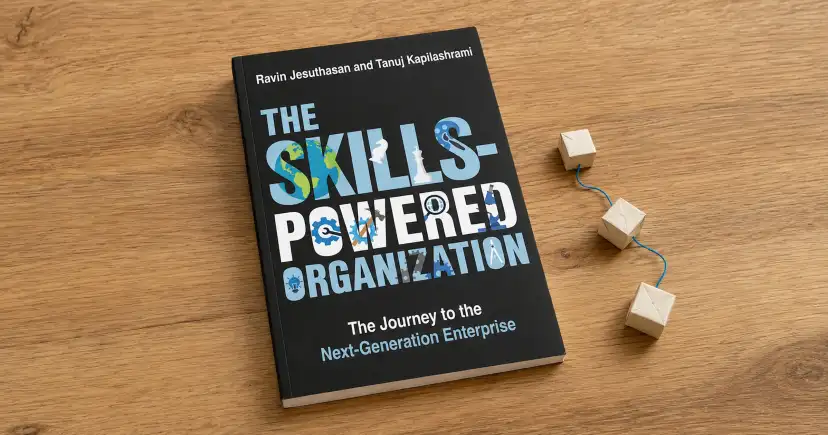
The Skills-Powered Organization proposes that skills should stop being auxiliary human resources data and become the unit through which a company designs work, allocates talent, and reinvents itself. Its most important contribution also defines its greatest demand: the change affects the organization's operating system.

The first track in a skills pilot should generate useful learning without sacrificing relevance. Choosing it requires separating indispensable conditions from criteria used to compare viable candidates.

A strategic priority may be well defined, funded, and communicated, yet remain little more than an intention if the organization cannot mobilize the capabilities it requires when and where they are needed.