Dynamic Capabilities: why a collection of skills does not create organizational capability
David Teece locates strategic capability in the ability to integrate, build, and reorganize resources. His perspective explains why a skills inventory provides information about people but does not demonstrate organizational adaptation. The decisive moment comes when the environment demands change.
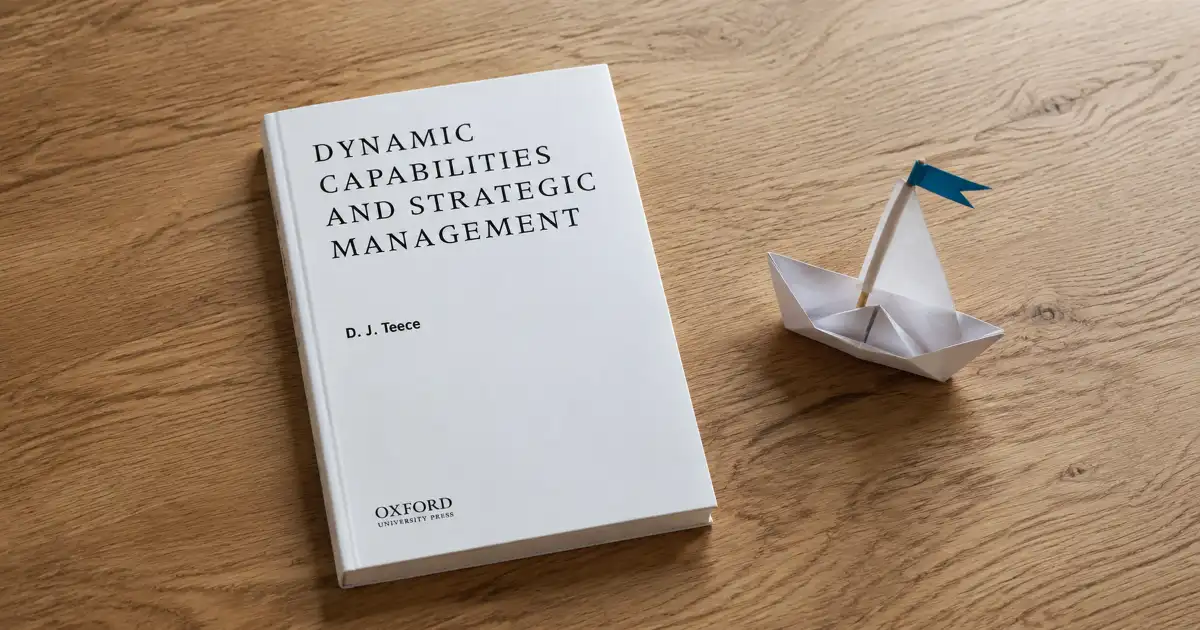
In Dynamic Capabilities and Strategic Management, David J. Teece examines how an organization develops, protects, and transforms its capabilities as markets, technologies, or customer needs change.
A company may bring together competent specialists, suitable technologies, and sufficient resources yet fail to change its response to a significant shift. The knowledge exists. The difficulty lies in combining it, directing it toward a priority, and reorganizing the work in time.
His question is especially useful for people working in talent: what turns a set of individual capabilities into a strategic response that the organization can actually execute?
Having resources and knowing how to reorganize them are different problems
The framework begins with a simple observation. Resources matter, but their usefulness depends on the context in which they are applied. Experience that is valuable under certain conditions may be insufficient when the problem changes, the time available shrinks, or new dependencies emerge.
In their 1997 article, Teece, Gary Pisano, and Amy Shuen explained that organizational advantage also depends on internal processes, available positions, and development paths. The focus moves beyond what the company owns to include how it learns, coordinates, and modifies its resources. Teece, Pisano, and Shuen: Dynamic Capabilities and Strategic Management (opens in a new tab).
A skills architecture can identify experience, expectations, transferable capabilities, and development opportunities. It provides a necessary foundation for understanding which people are available to the organization. Another question remains: can those people contribute when strategy requires a different combination of work?
The book distinguishes ordinary capabilities, which relate to existing operations, from dynamic capabilities, which concern the ability to adjust those operations. A team may perform its routine tasks capably yet struggle to respond when priorities change. Both forms of capability matter, but they serve different functions.
That distinction also introduces a time dimension. Past decisions create routines, knowledge, and forms of coordination that explain what an organization knows how to do today. When the context changes, that same history can either enable a response or make one more difficult. A practice that worked well stops being useful if it prevents the capabilities needed for a new problem from connecting.
The decisions that turn a signal into a response
Teece organizes dynamic capabilities around related movements: recognizing opportunities, seizing them, and transforming the configuration of resources. In later work, he uses the terms sensing, seizing, and transforming to explain this path. David Teece: The Evolution of the Dynamic Capabilities Framework (opens in a new tab).
Recognizing a change requires more than having information. A market signal, an emerging need, or a technological constraint must reach the people who can interpret it. If knowledge remains locked inside one team, the organization detects the data without turning it into shared understanding.
Seizing an opportunity requires a choice. Someone must commit resources, revisit priorities, and accept that moving in one direction may take attention away from another. An organization that recognizes change but preserves all its previous decisions has not yet produced a response.

Transformation occurs when that choice changes the work. It may require moving experience into another context, revising responsibilities, connecting areas, or changing rules that once proved useful. The outcome depends on the new configuration working in practice, not on the intention being well expressed.
What sustains an organizational capability
One of the book’s most important contributions lies in its microfoundations: the concrete conditions that allow a capability to exist. Teece includes skills, processes, procedures, structures, decision rules, and management disciplines. Capability emerges from the relationship among these elements, not from any one of them in isolation.
That is why two organizations may have similar technical profiles yet respond differently. One shares information, revises priorities, and reallocates work when the situation changes. The other preserves fragmented decisions, immovable budgets, or authorizations that arrive too late.
Orchestrating resources requires more than identifying them
Teece also uses the idea of asset orchestration. The concept refers to combining, realigning, and reorganizing resources to sustain a coherent response. It includes revisiting routines that worked before but lose their usefulness when the context changes.
The book pays attention to complementarity among resources. A capability has different value depending on the other capabilities, processes, or decisions to which it is connected. An organization may have experience available and still fail to produce the expected outcome if that experience remains isolated from the information, authority, or work where it should be applied.
Applied to talent management, this requires us to avoid an automatic diagnosis. A strategic constraint may result from a missing skill. It may also arise from allocation rules, lack of time, incompatible priorities, or responsibilities that prevent existing experience from being mobilized.
What changes for talent leaders
A sound architecture makes it possible to identify available capabilities, evidence of performance, and possible transitions. That information helps reveal which knowledge can be mobilized and which learning requires time. It becomes more useful when connected to real decisions about work.
But talent alone cannot resolve a strategic constraint. The people who govern budgets, priorities, and operations also determine whether an individual capability will find the conditions to become a collective contribution.
This shifts the conversation. Instead of asking only which skill is missing, it requires us to examine what response is needed, which resources should be combined, and who has the authority to change their configuration.
Teece’s contribution is to show that an organization develops capability when it can recognize change, commit to decisions, and reorganize what it knows how to do. A list of skills describes the resources available. Adaptation begins when those resources find a different way to work together.
To extend this reading, see The org chart is not a map of the work, which develops a complementary dimension of the problem.
Keep exploring

Generalists, specialists, and hybrid roles: what the architecture should decide
Does the organization need breadth, depth, or integration? Generalist, specialist, and hybrid are possible answers, not identities the architecture should fix permanently.

Not every critical skill is strategic: importance, scarcity, and advantage are not the same
Although importance, scarcity, and advantage are often compressed into the label “critical skill,” each dimension requires different evidence and investment. Separating them changes what must be protected, sourced, or built as a system.
What must remain common and what can vary across areas
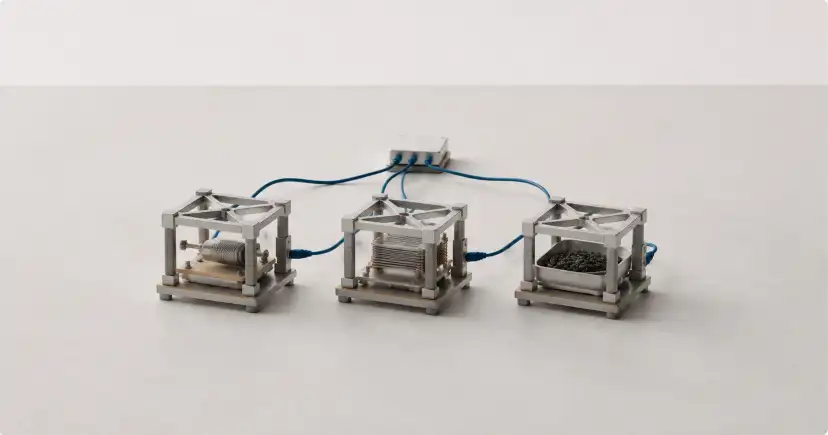
Even when two areas work differently, they can still share an architecture. Adaptation stops being local when it changes meaning, comparability, or the rights attached to use.

Build, hire, move, partner, or automate: five responses to a capability gap
To choose among building, hiring, moving, partnering, or automating, compare the demand, the time horizon, and the dependencies each response creates.

When to split, merge, or retire a skill
Splitting, merging, and retiring a skill correct different failures. Even if the catalog looks tidier after the change, the choice depends on which distinction in the work must be preserved and which decisions will change.
Designing the interfaces between teams is also designing capability
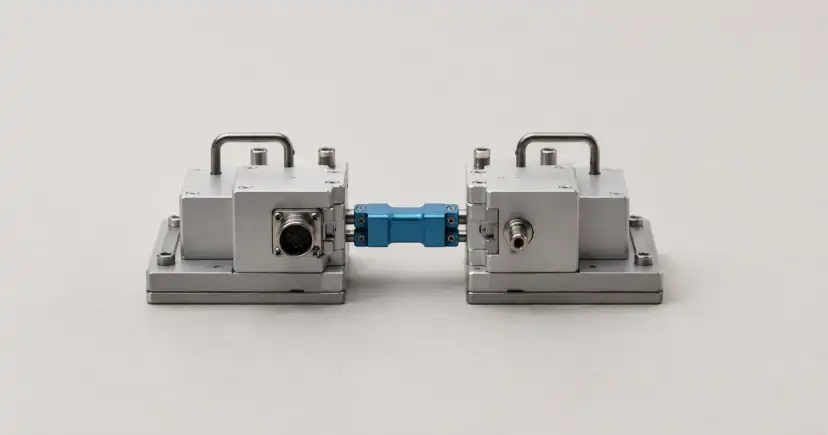
On the eve of a launch, an incomplete interface can immobilize capability that each team does possess.