Capability architecture

Articles about designing, connecting, and evolving the capabilities an organization needs.

32 articles

Latest articles

  1. Two facing workstations connected by a tray holding five mechanical parts.

    How to estimate the distance between two roles

    PRYSMAP

    A person may seem close to a role because many of their skills overlap, yet still face a difficult transition because of differences in level, context, autonomy, or experience. A job title may also make someone appear farther away than they are, obscuring a broader base of transferable skills than the organization recognizes.

  2. Wood, white ceramic, and metal blocks joined around a blue piece, with tools at the sides.

    Who should own a skills architecture

    PRYSMAP

    Who can change a skill, approve a level, or decide that the evidence is sufficient to use a result? These three decisions require different authorities.

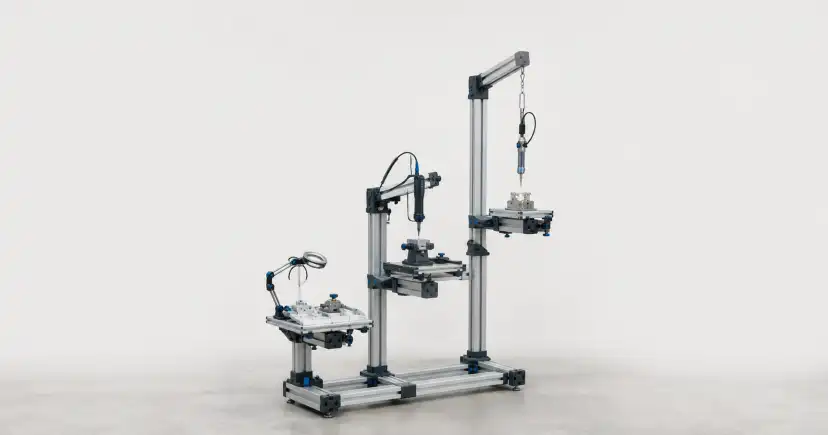
  3. Three mechanical workstations mounted at different heights on a shared structure.

    A catalog by role or a shared architecture — which model scales better

    PRYSMAP

    Creating a separate skills catalog for every role offers immediate precision: each position receives a tailored list. The cost comes later, when the same capabilities are duplicated under different names, levels, and criteria, and every change requires dozens of versions to be maintained.

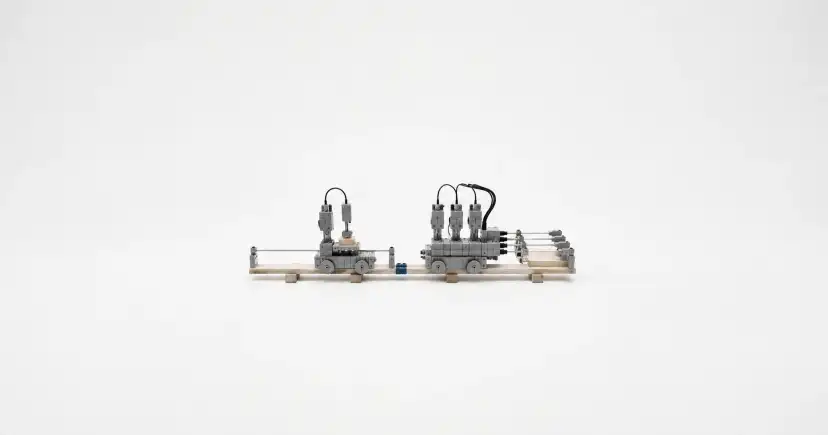
  4. A compact industrial line with two stations and a row of small metal parts.

    How to differentiate roles that share the same skills

    PRYSMAP

    When two roles share the same skills, the meaningful distinction does not come from changing the catalog. It comes from specifying the level of contribution the organization expects from each role.

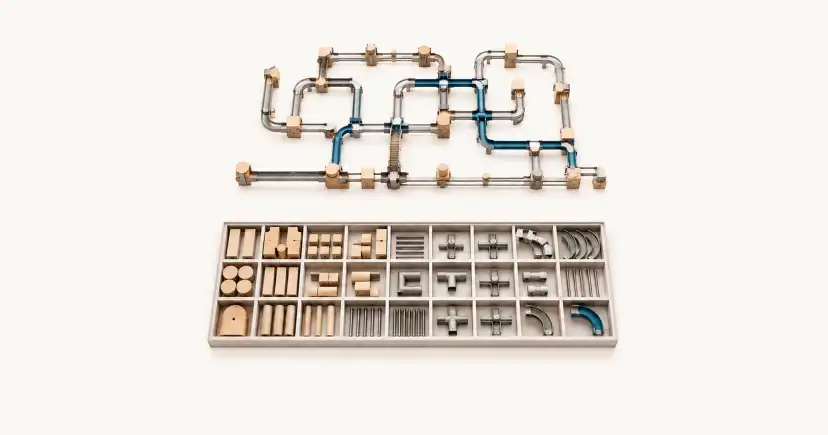
  5. A modular pipe network assembled on a tray, with parts sorted by type.

    A list of skills is not an architecture

    PRYSMAP

    A catalog identifies which skills exist and how to find them. An architecture adds the relationships needed to interpret expectations, assess evidence, guide development, and identify paths between roles.