How to design a review or appeal process for an assessment
What should happen when someone challenges an assessment? A review should examine data, rules, interpretation, and use without turning the outcome into a negotiation.
Articles about organizational intelligence, measurement, and human systems.
What should happen when someone challenges an assessment? A review should examine data, rules, interpretation, and use without turning the outcome into a negotiation.
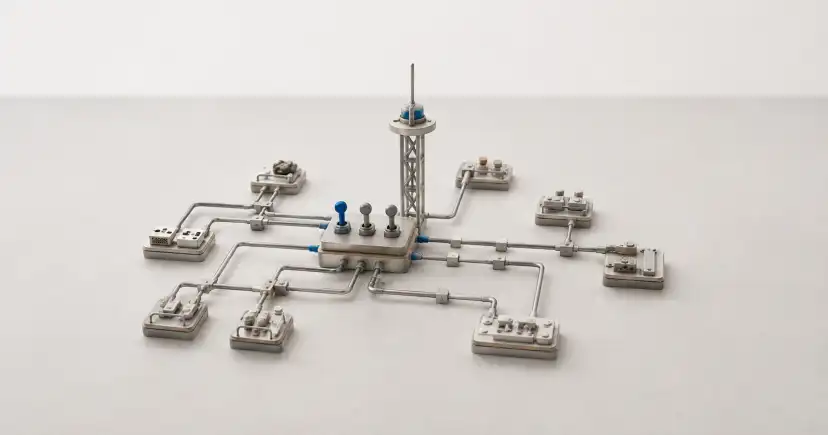
Before scaling an architecture, define which decisions need an owner, a threshold, traceability, and the ability to pause.
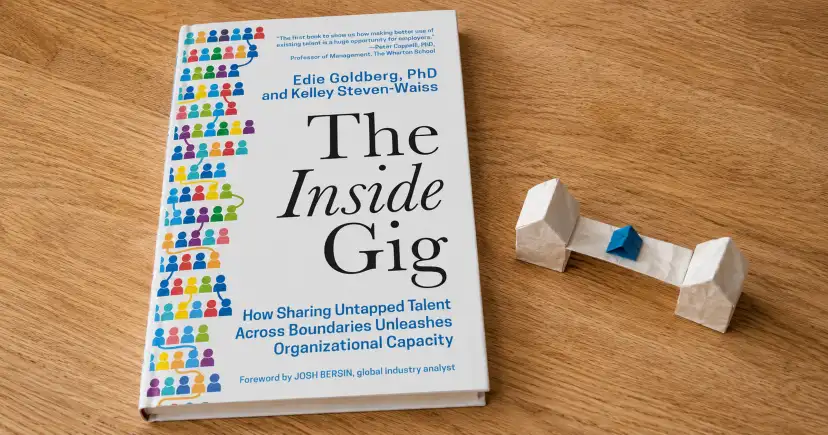
The Inside Gig proposes mobilizing talent through internal projects rather than waiting for a job opening, prompting an examination of what turns an opportunity into real work.
Even when two areas work differently, they can still share an architecture. Adaptation stops being local when it changes meaning, comparability, or the rights attached to use.
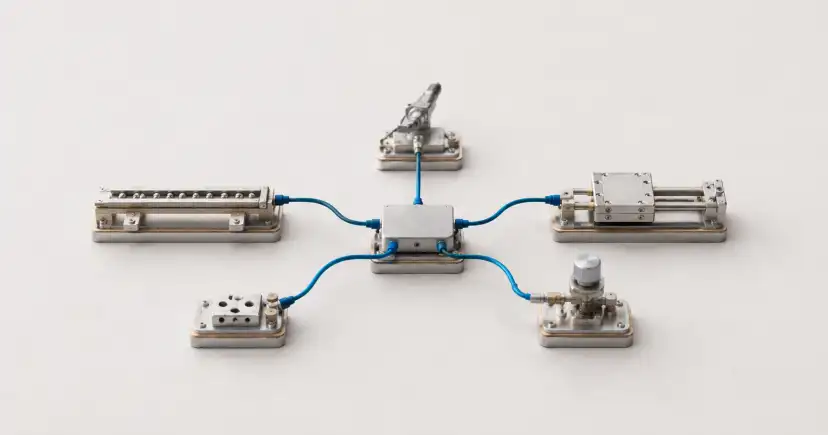
To choose among building, hiring, moving, partnering, or automating, compare the demand, the time horizon, and the dependencies each response creates.
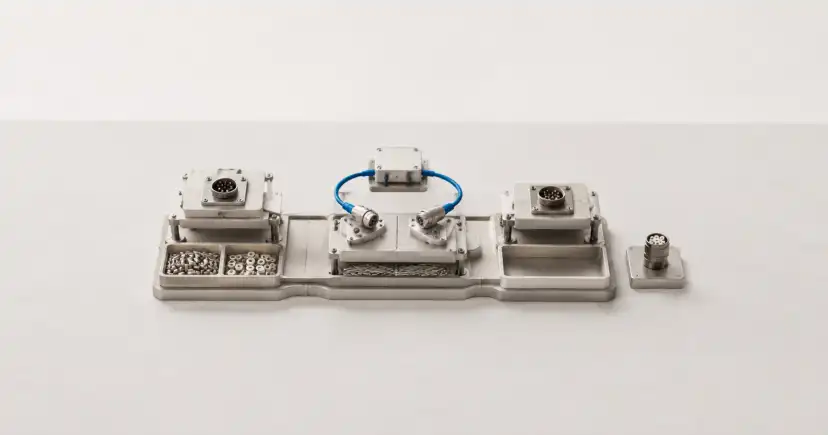
Splitting, merging, and retiring a skill correct different failures. Even if the catalog looks tidier after the change, the choice depends on which distinction in the work must be preserved and which decisions will change.
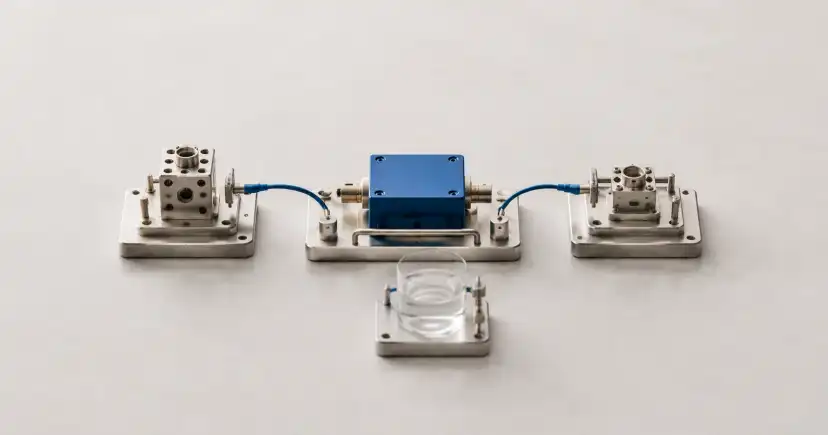
Deciding on an internal transition requires four pieces of evidence. They must separate transferable capability, adaptation still needed, confirmed gaps, and entry conditions.
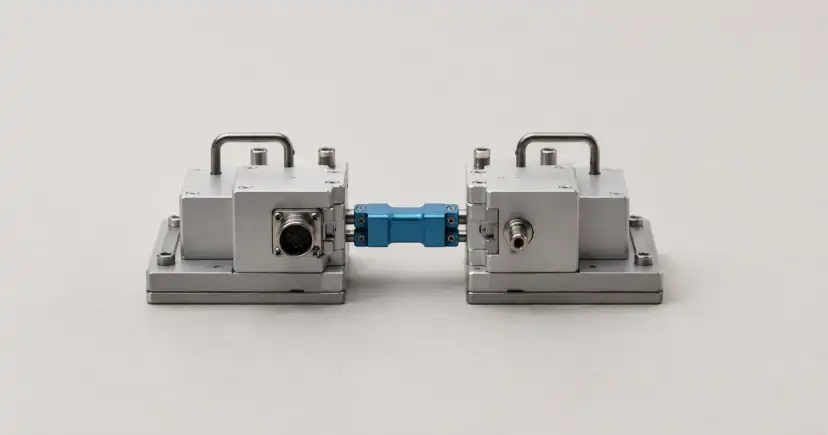
On the eve of a launch, an incomplete interface can immobilize capability that each team does possess.

Sources of Power makes it possible to treat expert intuition as situated recognition without turning experience or confidence into unquestionable authority.

A correlation between skills and outcomes is useful for opening an investigation. A claim of contribution requires an explanation of the mechanism, the timing, and the alternatives.
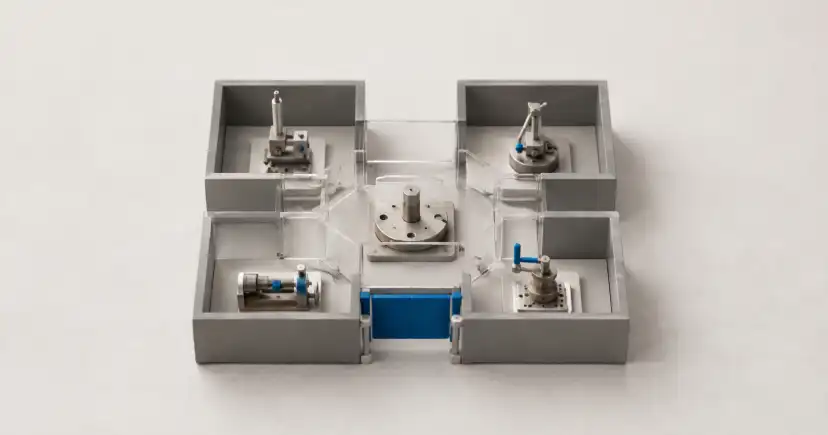
An organization can have the right skills and still fail to produce the expected capability. Even when the inventory is accurate, the rules of work may prevent those skills from being used.

Why would a leader hold on to someone who could contribute more in another unit?