Assessment & evidence

Articles about designing, interpreting, and using evidence to assess capabilities with sound judgment.

33 articles

Latest articles

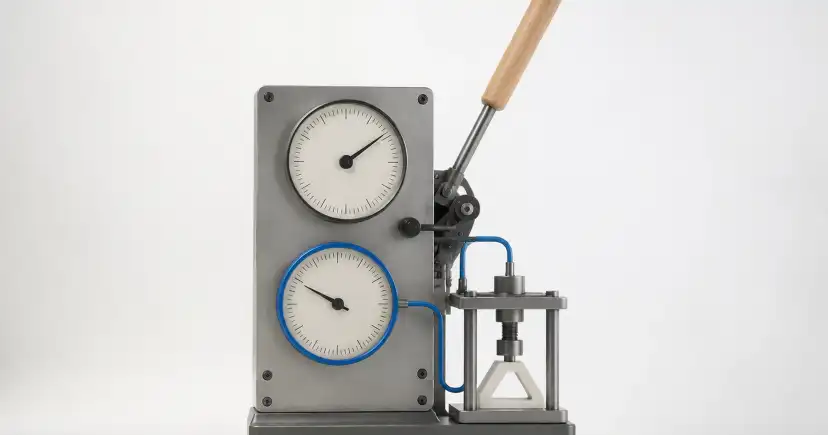
  1. Two gauges connected to a wood-and-metal lever mechanism.

    Confidence is not competence

    PRYSMAP

    Confidence becomes visible before competence does. It appears in the speed of a response, the firmness of a voice, and the willingness to take up space. Competence, by contrast, can be supported only by relevant evidence of what a person can do under specific conditions.

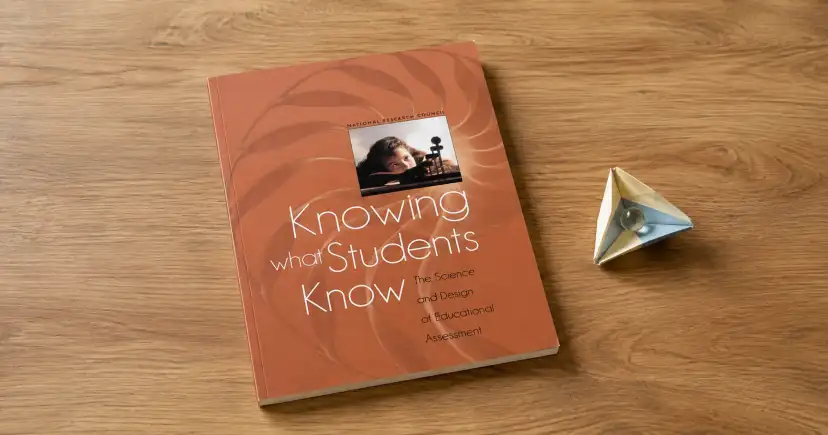
  2. The cover of Knowing What Students Know on a wooden table beside a metal triangular ruler.

    What Knowing What Students Know teaches us about capability assessment

    PRYSMAP

    Knowing What Students Know was written for educational assessment, but its central question applies to any system that tries to evaluate capabilities: how do we move from what someone does in a specific situation to a defensible inference about what they know and can do?

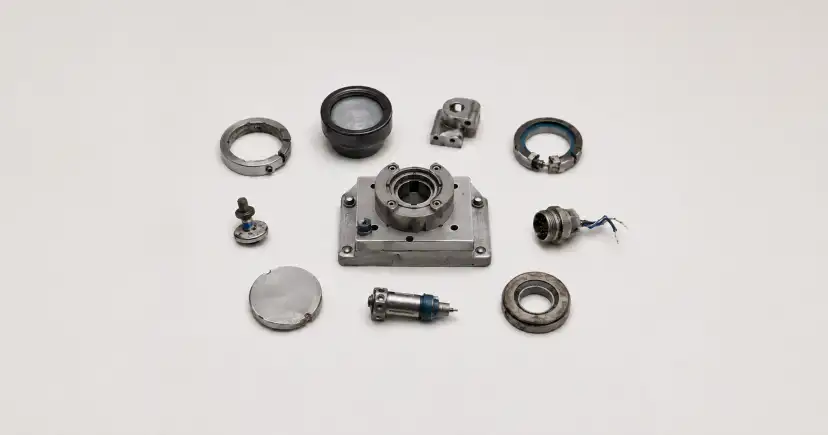
  3. Metal parts from a disassembled mechanism arranged on a white background.

    Ten signs of a poorly designed assessment

    PRYSMAP

    A poorly designed assessment often reveals its flaws before producing results. The following signs help detect problems in what is being assessed, the questions, the evidence, the scales, and the intended use while the design can still be corrected.

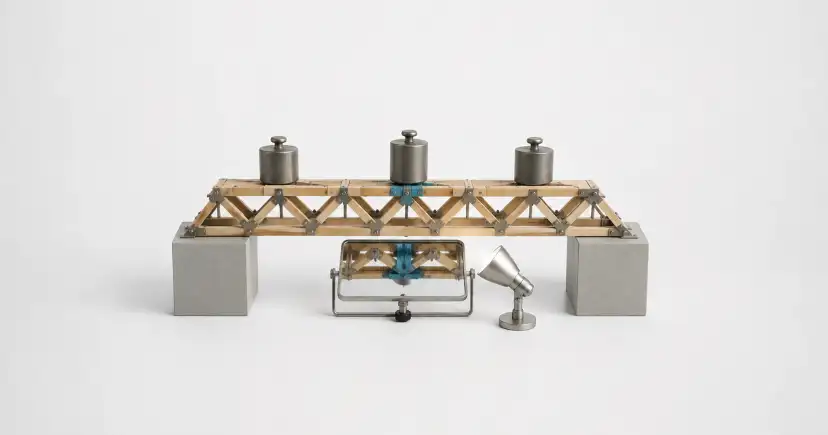
  4. Wooden bridge model with three cylindrical weights on its deck and a gauge beneath it.

    Why leaders distrust skills assessments

    PRYSMAP

    When a leader distrusts a skills assessment, the usual reaction is to attribute it to resistance to change. But distrust may also point to genuine problems with burden, observation, interpretation, or consequences that the design has not yet resolved.

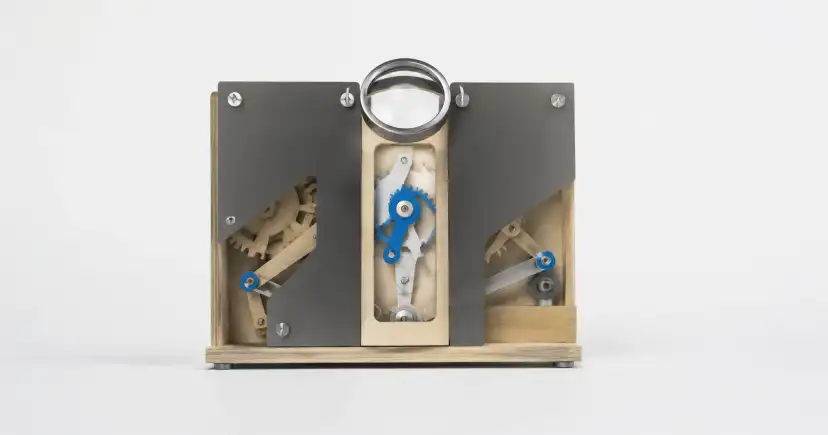
  5. Wood-and-metal mechanism with exposed gears and a circular magnifying lens at the top.

    The leader who assesses without observing

    PRYSMAP

    The authority to assess comes with the role. The quality of the judgment comes from the evidence. When the two are confused, familiarity, reputation, and visible results take the place of observation.

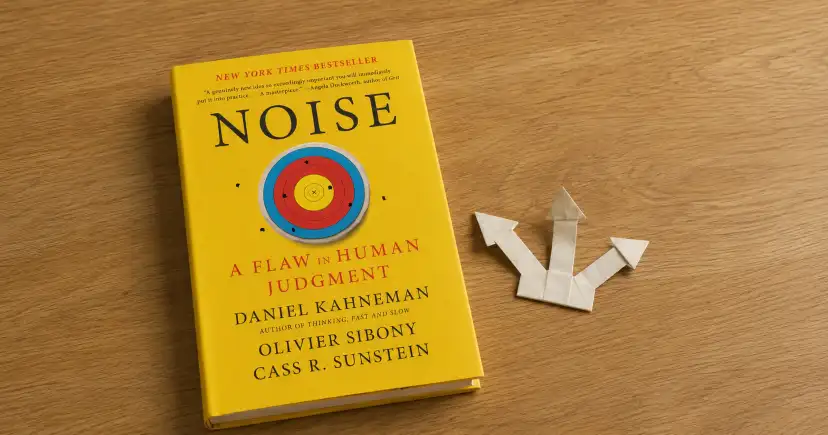
  6. The yellow cover of Noise on a wooden table beside two white paper shapes.

    Noise — why two assessors see different results

    PRYSMAP

    Noise brings an uncomfortable idea to talent decisions: two competent assessors can apply the same criteria and reach different conclusions for reasons the system never deliberately chose to accept.

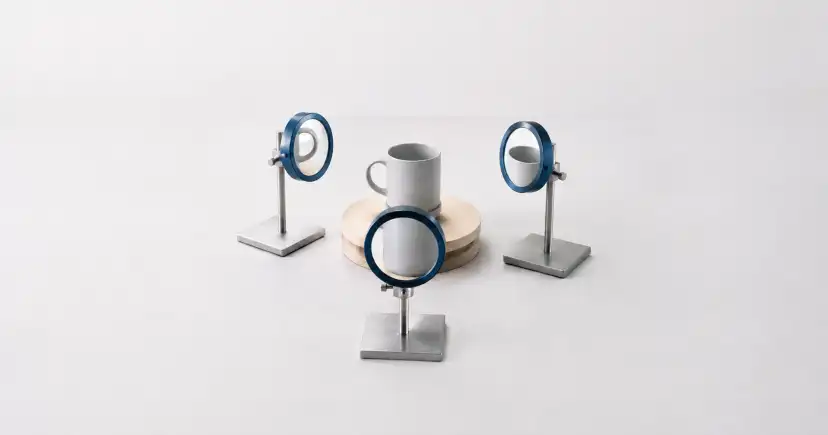
  7. White pitcher on a circular base, viewed from three sides through round lenses.

    Perception is not reality, but it should not be ignored

    PRYSMAP

    A perception does not capture reality like a camera. It does, however, record how someone interprets what they could observe within a particular relationship, at a particular moment, and against specific expectations. That limitation does not make perception irrelevant; it determines how perception should be read.

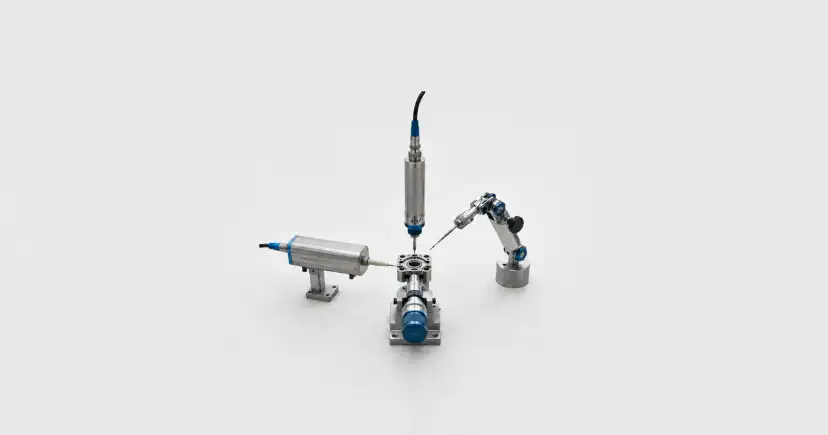
  8. Three measuring instruments aimed at the same metal component.

    Pulse, Check, Interview, and Target answer different questions

    PRYSMAP

    Pulse, Check, Interview, and Target can coexist within the same assessment architecture, but they are not longer or shorter versions of the same instrument. Each mode answers a different question, produces a different kind of evidence, and supports conclusions with a distinct scope.

  9. Three shoots at different stages of growth planted in the same container.

    When to reassess after a development action

    PRYSMAP

    Reassessing too soon can mistake a recent activity for a developed capability. Reassessing too late leaves unanswered a question that could already be resolved. The right time depends not only on the calendar, but also on opportunities to practice, the quality of the evidence, and the stability of the change.