How long does a skills assessment remain current
An older assessment may still guide development yet be insufficient for assigning a critical responsibility. Its date alone does not determine whether it remains useful.
Articles about accountability, boundaries, and the responsible use of talent systems.
33 articles
An older assessment may still guide development yet be insufficient for assigning a critical responsibility. Its date alone does not determine whether it remains useful.

The book Sorting Things Out examines how categories and standards organize the world while distributing visibility, work, and consequences. Reading it through the lens of a skills architecture extends that inquiry to the decisions a taxonomy makes possible.
What can AI claim about a skill from digital traces? Moving from data to signal, inference, and decision involves leaps that require control.

What should happen when someone challenges an assessment? A review should examine data, rules, interpretation, and use without turning the outcome into a negotiation.
Before scaling an architecture, define which decisions need an owner, a threshold, traceability, and the ability to pause.
Even when two areas work differently, they can still share an architecture. Adaptation stops being local when it changes meaning, comparability, or the rights attached to use.
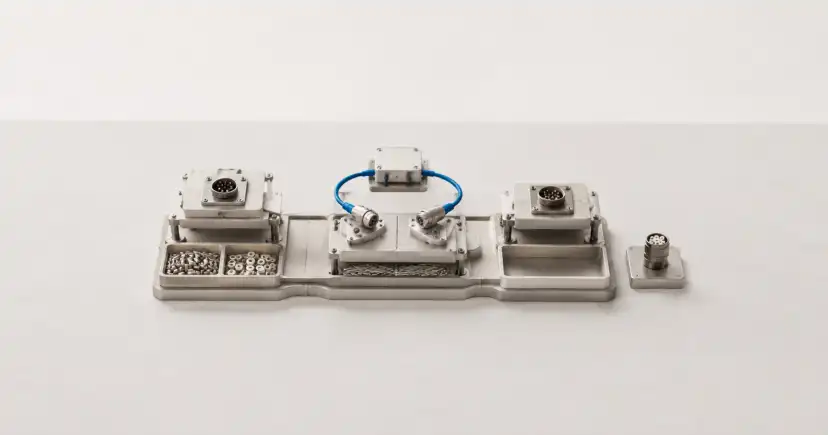
Splitting, merging, and retiring a skill correct different failures. Even if the catalog looks tidier after the change, the choice depends on which distinction in the work must be preserved and which decisions will change.
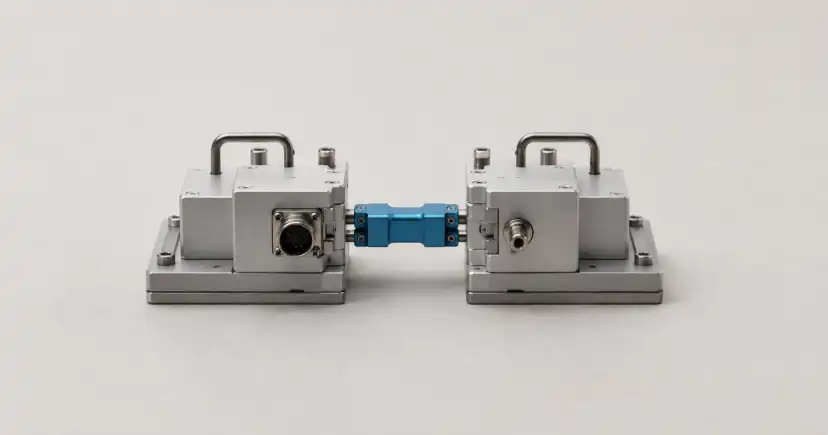
On the eve of a launch, an incomplete interface can immobilize capability that each team does possess.
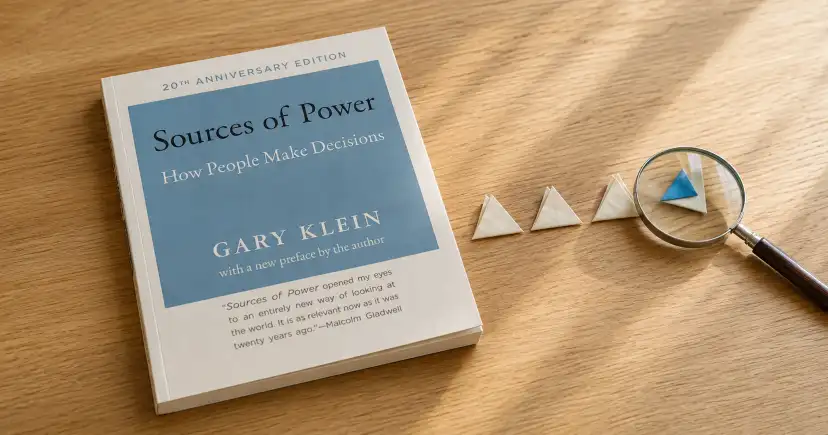
Sources of Power makes it possible to treat expert intuition as situated recognition without turning experience or confidence into unquestionable authority.

An organization can have the right skills and still fail to produce the expected capability. Even when the inventory is accurate, the rules of work may prevent those skills from being used.
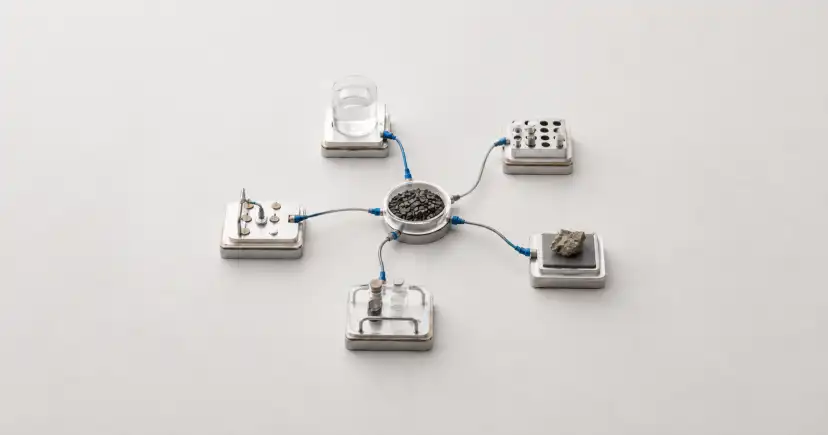
A 360 improves an assessment when it preserves what each source observed, from which relationship, and within what limits; averaging first destroys that information.
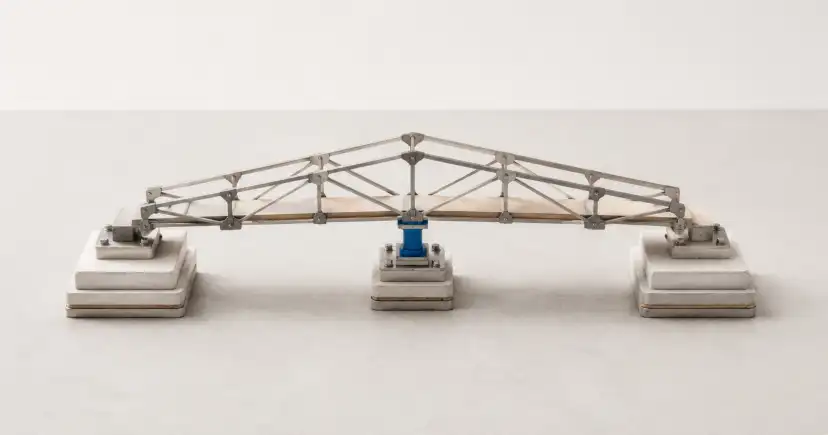
Consider an unexpected absence: a capability is fragile when its absence interrupts a critical outcome and no alternative has demonstrated that it can restore that outcome in time.