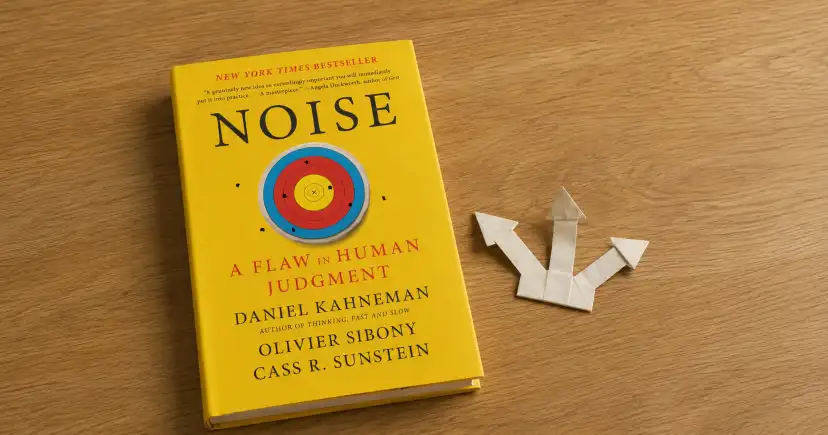
Noise — why two assessors see different results
Noise brings an uncomfortable idea to talent decisions: two competent assessors can apply the same criteria and reach different conclusions for reasons the system never deliberately chose to accept.
Articles about using data, measurement, and uncertainty to make better decisions.
29 articles
Noise brings an uncomfortable idea to talent decisions: two competent assessors can apply the same criteria and reach different conclusions for reasons the system never deliberately chose to accept.

Missing evidence, conflicting evidence, and uncertainty are not the same problem. When they are collapsed into a generic category, an organization may manufacture certainty, defer a decision indefinitely, or treat something it has not yet observed as a gap.

An average can accurately represent the center of several results while concealing the difference that matters most to the decision. Its usefulness depends on which components it combines and which of them may compensate for one another.

More measurement can broaden understanding while making a decision harder. The difference depends on whether each signal has an explicit function, a defined audience, and a recognizable use.
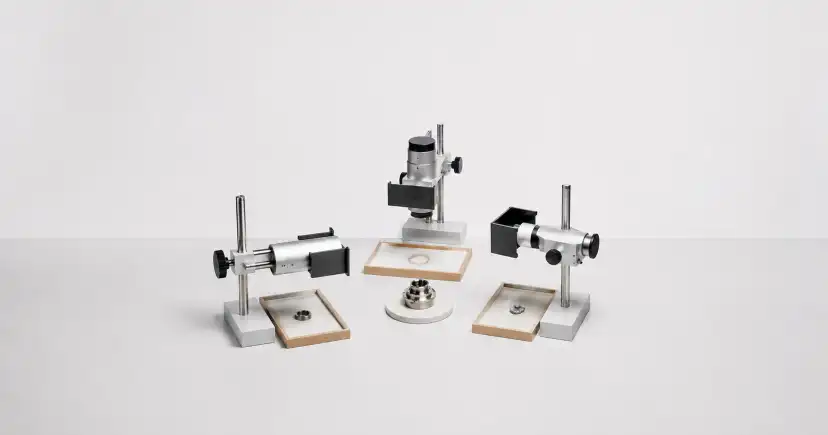
Two people can observe the same behavior and reach different conclusions. The usual response is to ask which one of them got it wrong.